Landscape
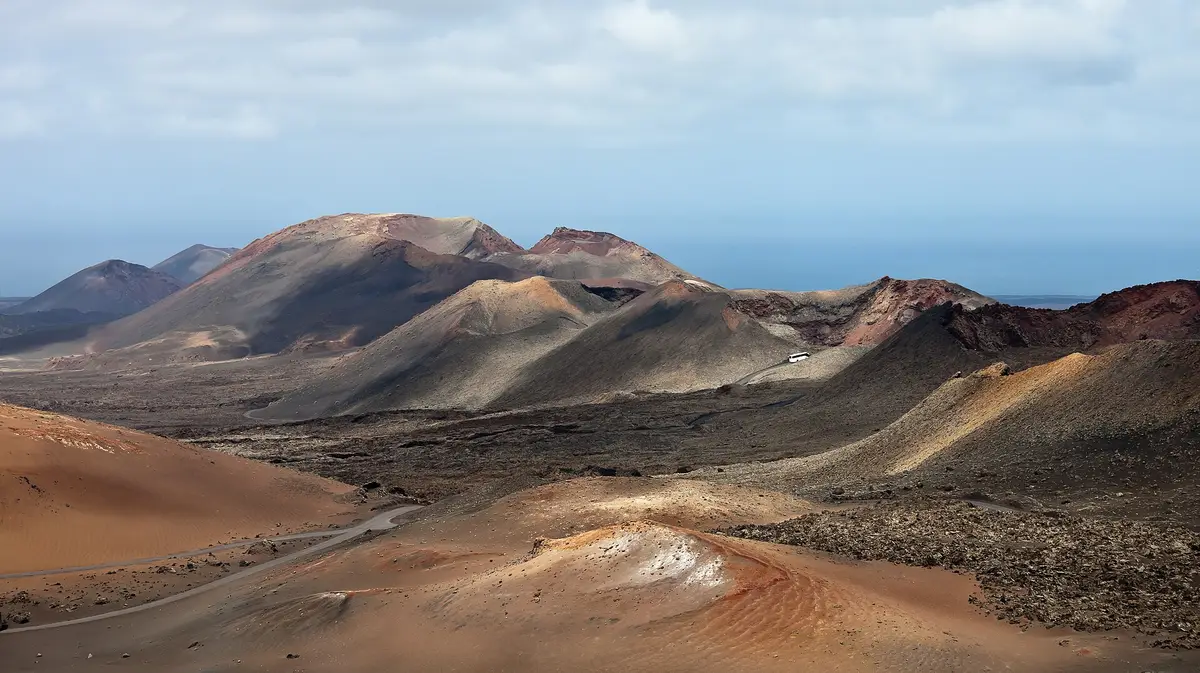
Timanfaya National Park
Tour a landscape formed by historic eruptions, where underground heat still turns water into steam
17 places
Lanzarote's things to do are closely connected, but they offer different ways of understanding the island. Volcanic ground becomes the subject at Timanfaya National Park, the setting for art at Jameos del Agua and the space you enter at Cueva de los Verdes. Elsewhere, fortress museums shift the emphasis towards art and history, while La Graciosa takes the trip beyond Lanzarote itself. The cards below let you explore each place in detail. To choose between them, start with the experience you want, then look at the geography: the northern caves and viewpoints form a different outing from the landscapes around Yaiza.
Tour a landscape formed by historic eruptions, where underground heat still turns water into steam
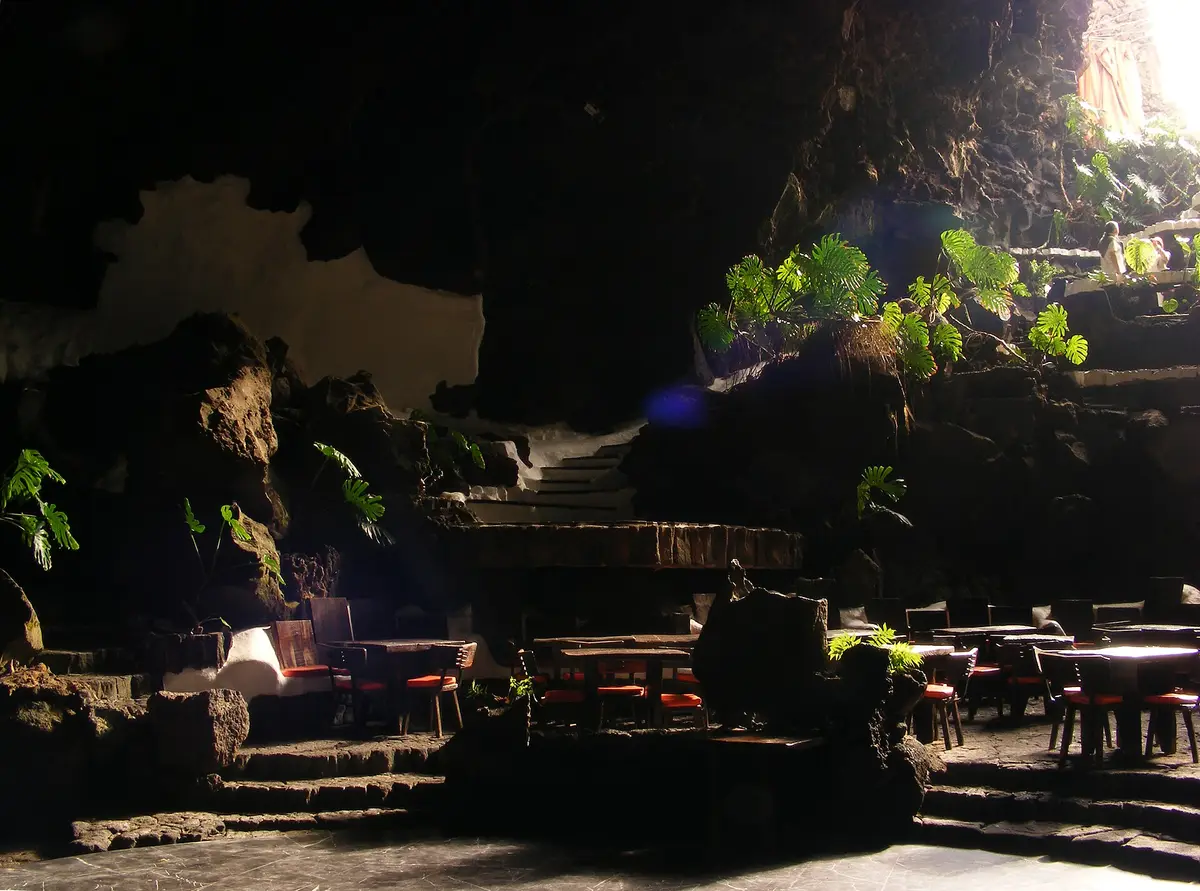
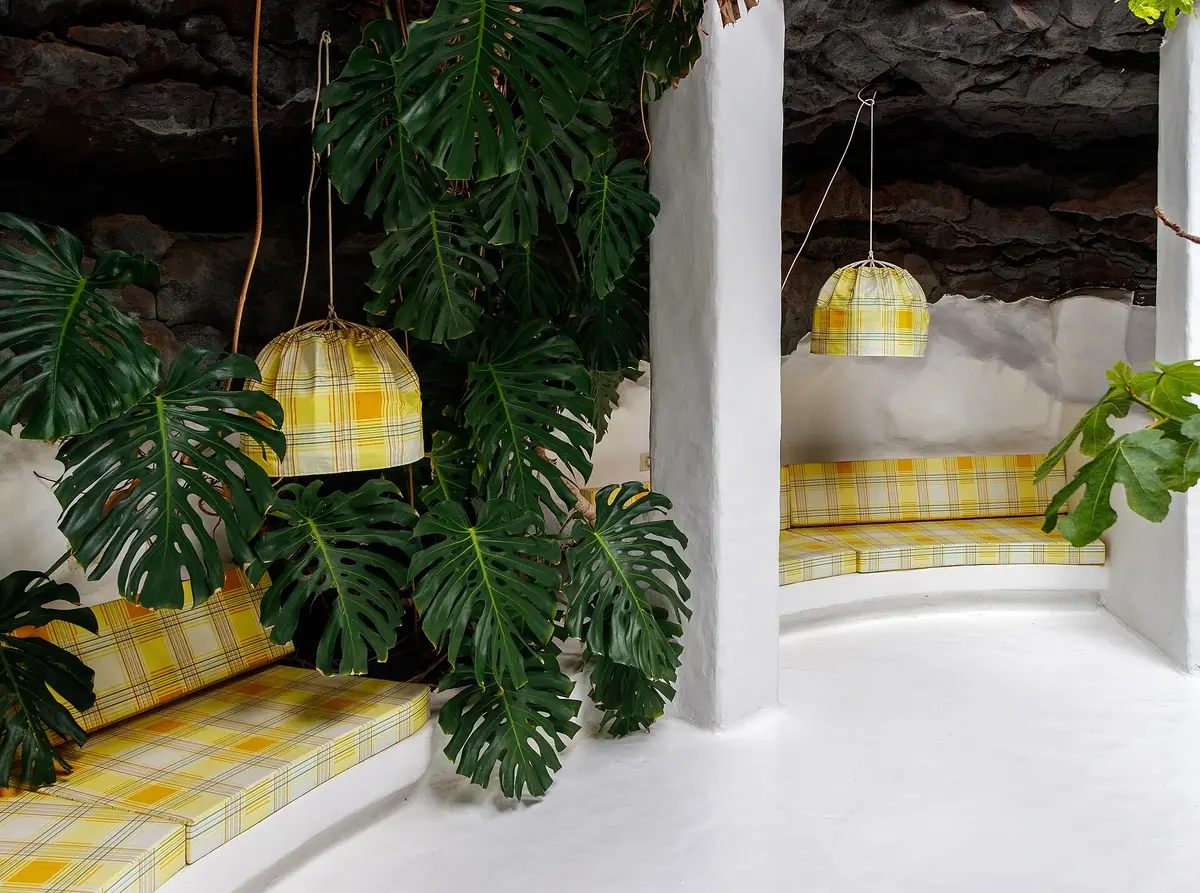
A subterranean salt lake and lava openings form the setting for César Manrique's cultural centre
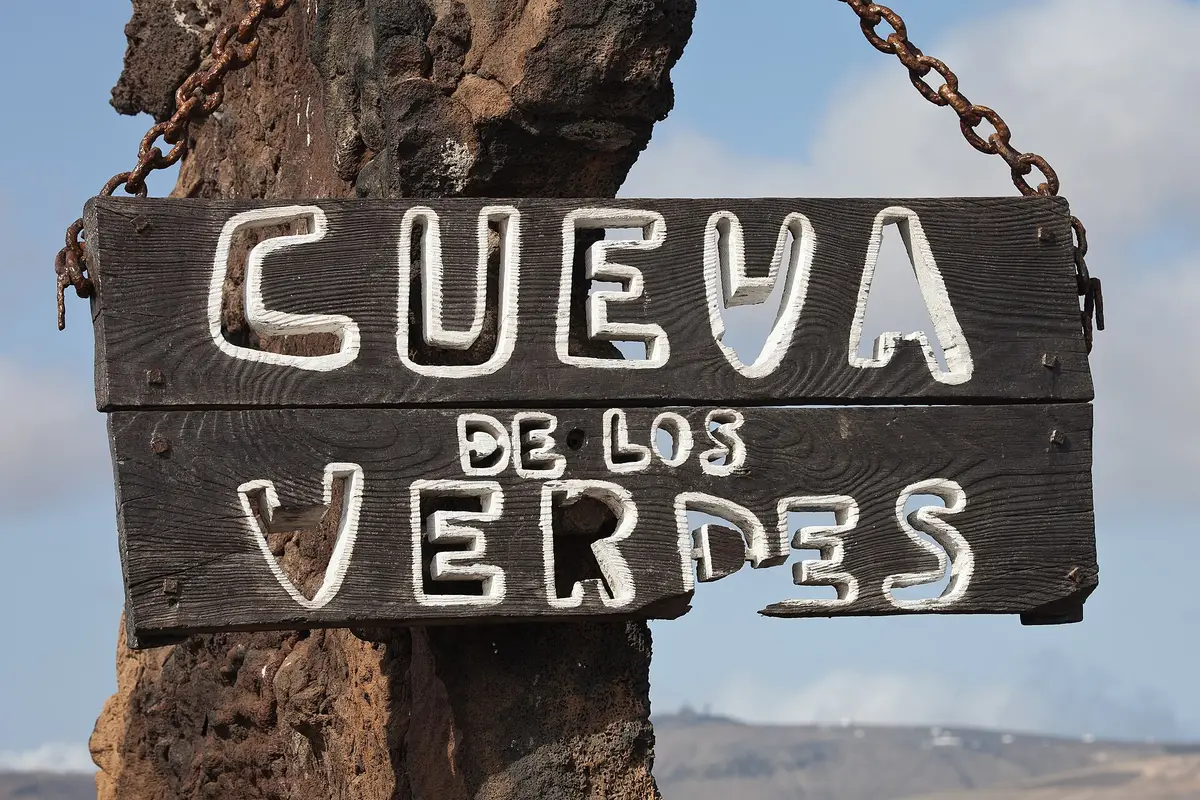
Enter a drained lava tube with illuminated cave walls and a concert hall near its entrance
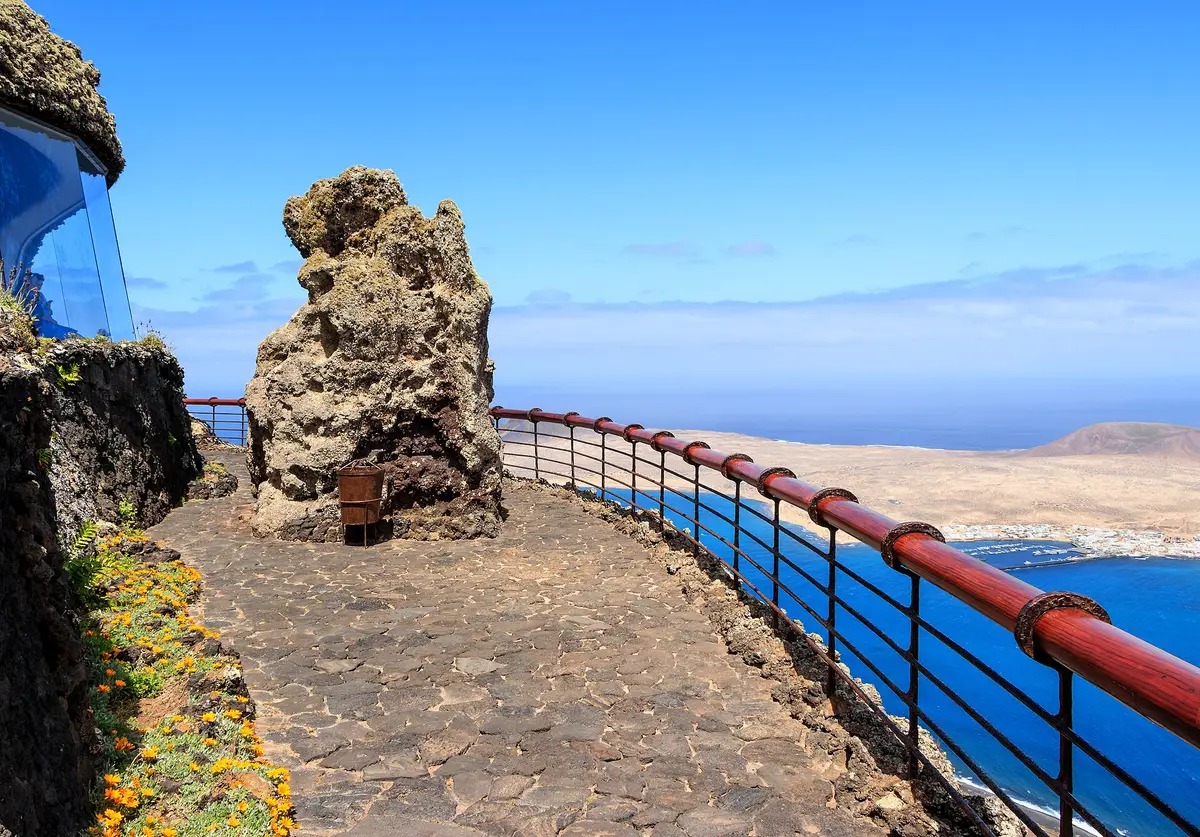
A stone-covered viewpoint with vaulted rooms and broad windows facing La Graciosa
The foundation continuing César Manrique's conservation work on Lanzarote
Human figures, a refugee boat and marine growth turn the seabed into an underwater sculpture gallery
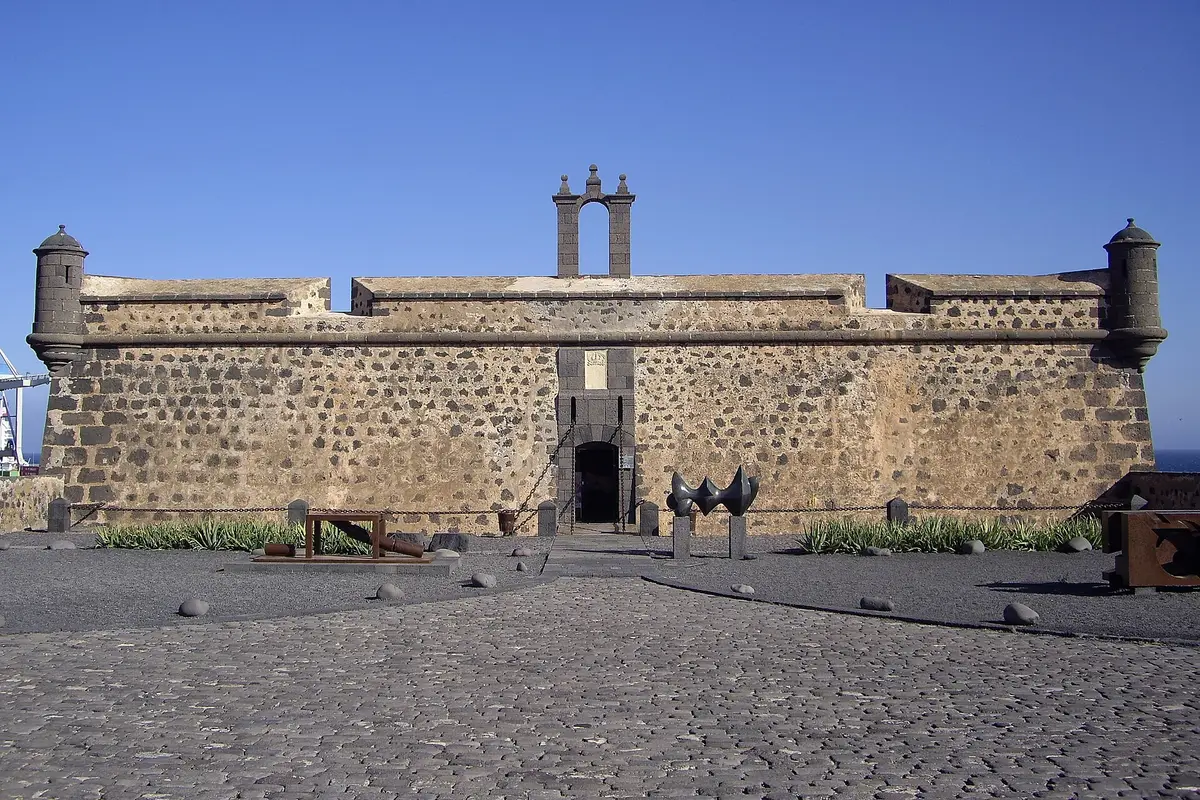
Contemporary art, vaulted stone rooms and harbour views inside Arrecife’s coastal fortress
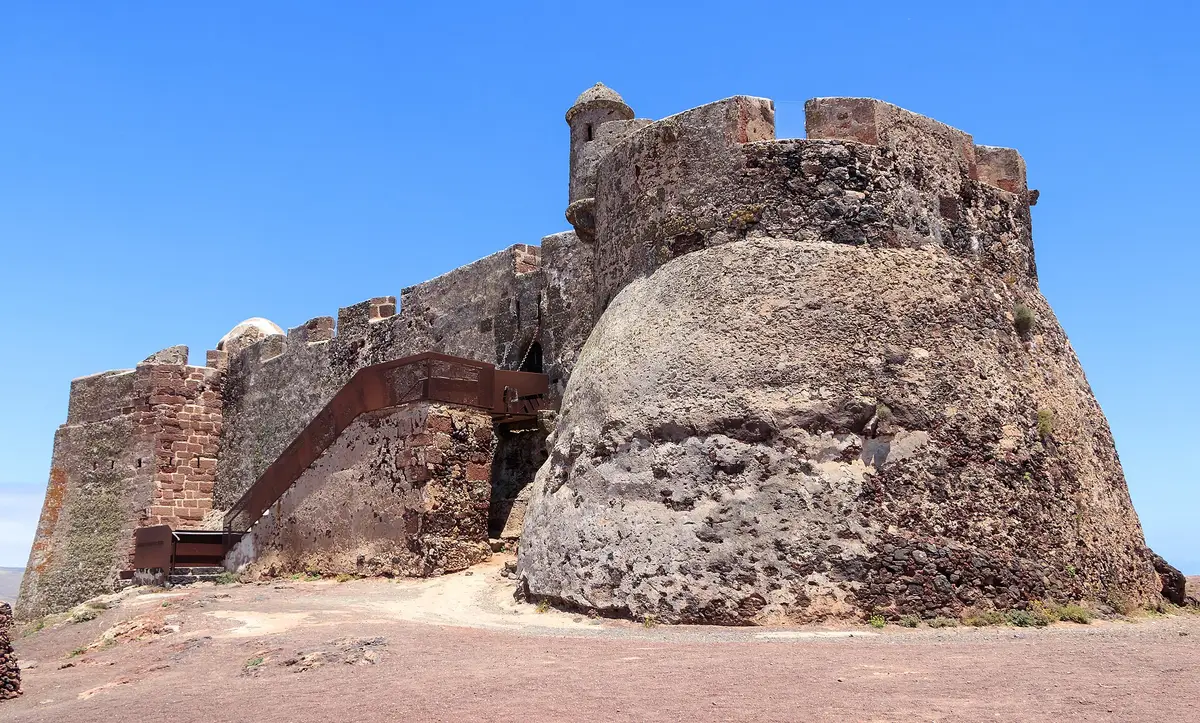
A fortress on Guanapay volcano’s crater edge, built to shelter Teguise’s inhabitants and now housing the Piracy Museum
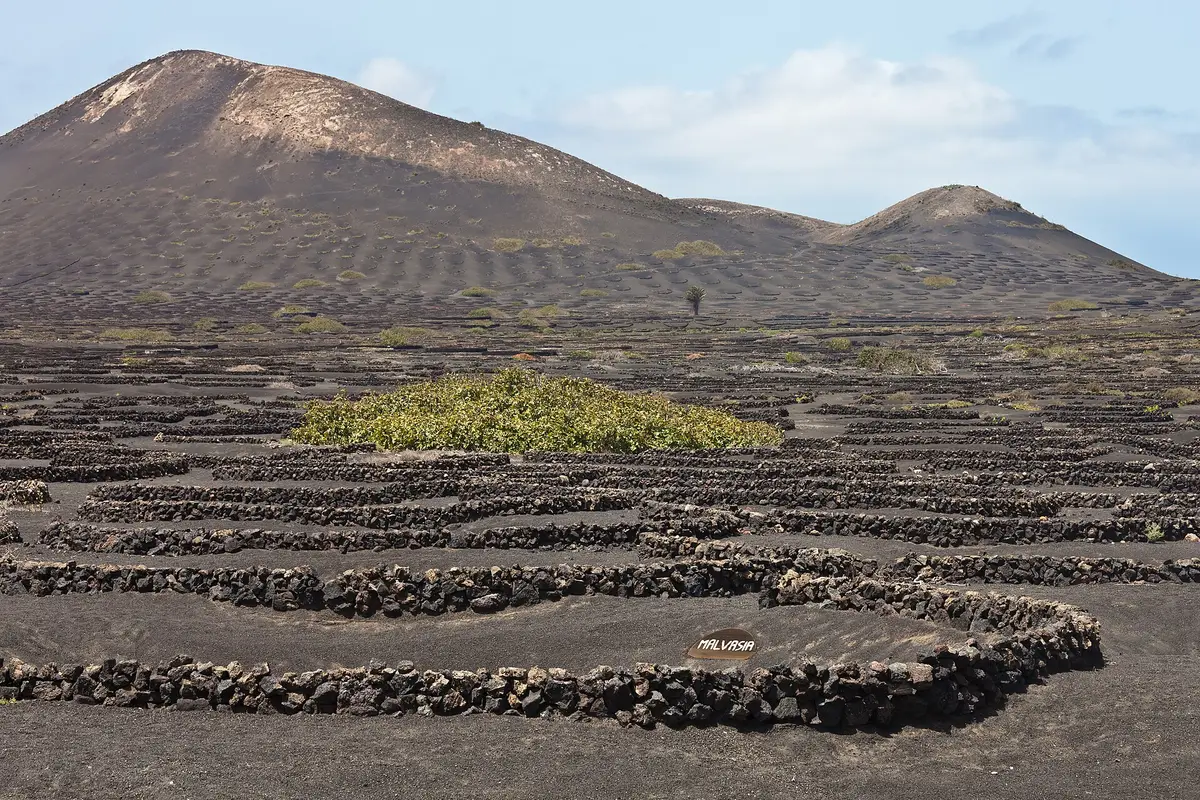
Vines grow in volcanic gravel, sheltered by conical hollows and low dry-stone walls
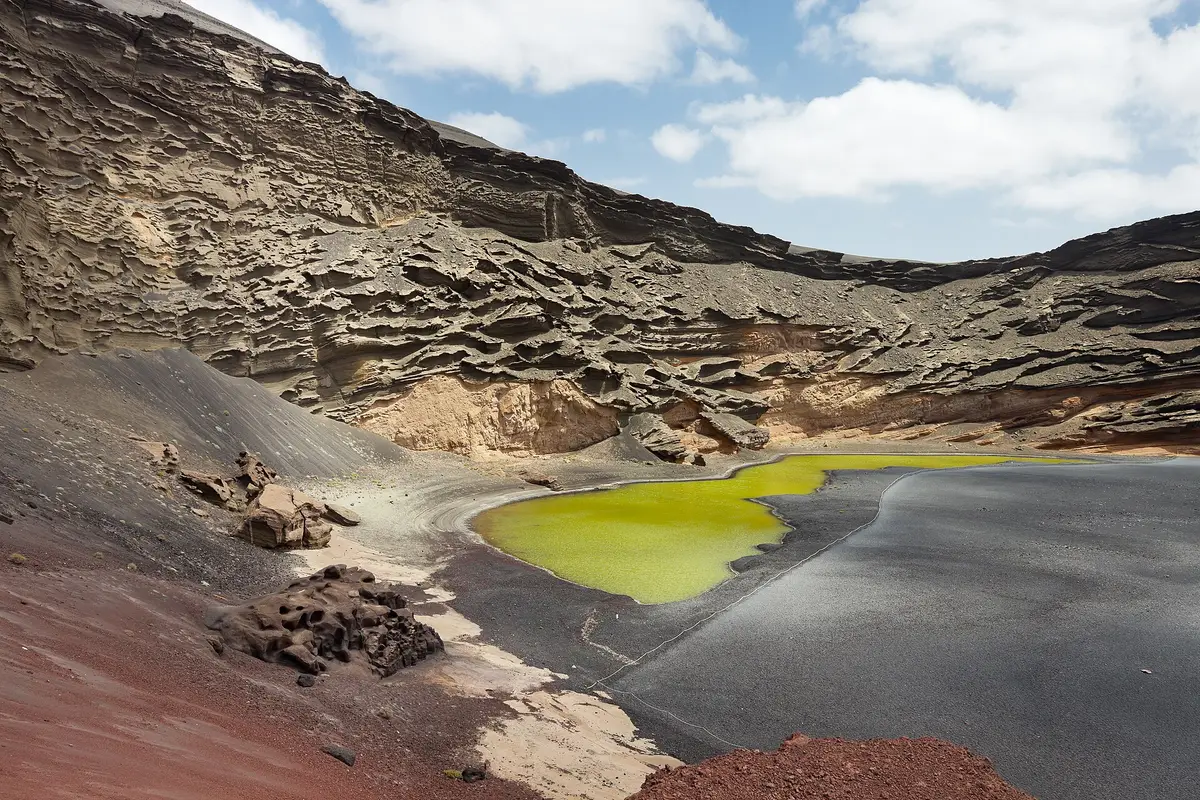
A green coastal lagoon between a volcanic crater and a black shore, seen from a footpath viewpoint
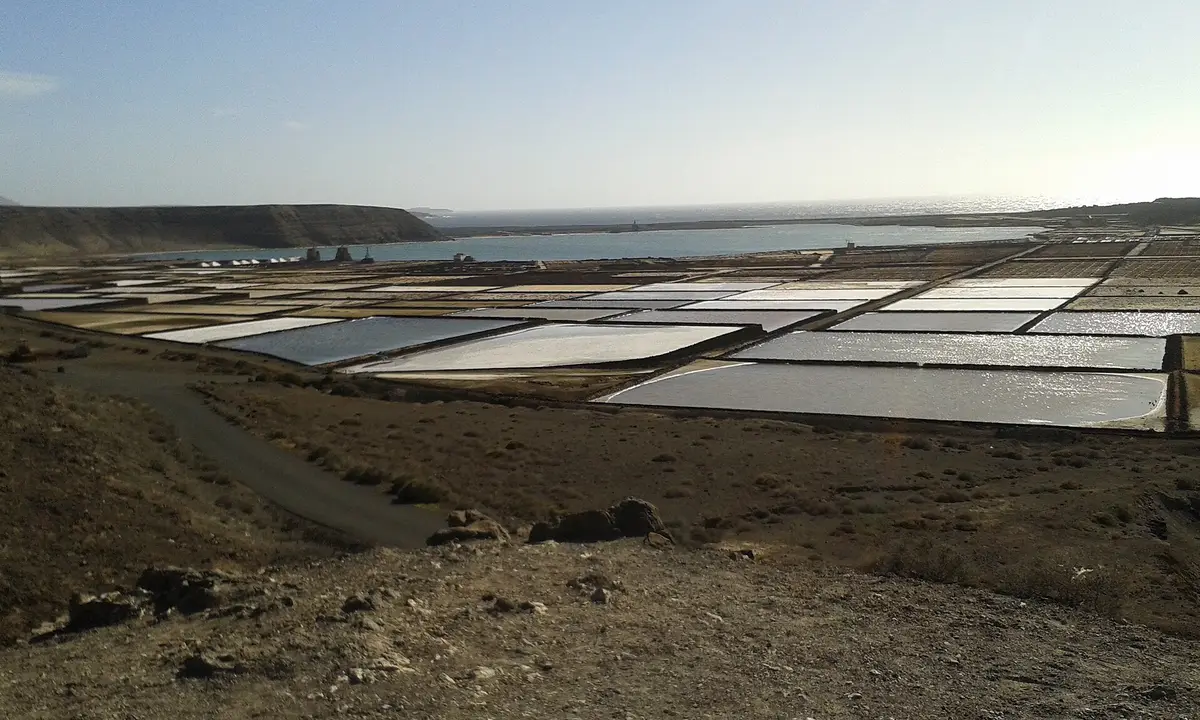
Working salt pans beside a volcanic lagoon, with red water, migratory birds and a long fishing connection
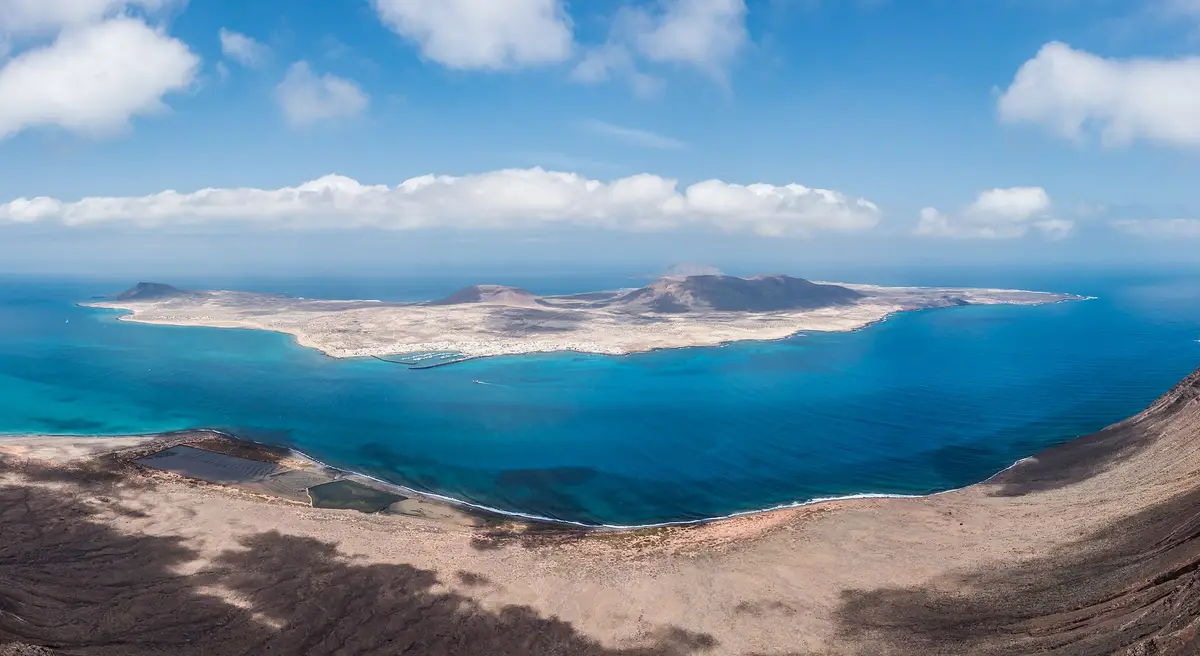
A ferry ride from Órzola leads to sandy streets, volcanic hills and a coastline without paved roads
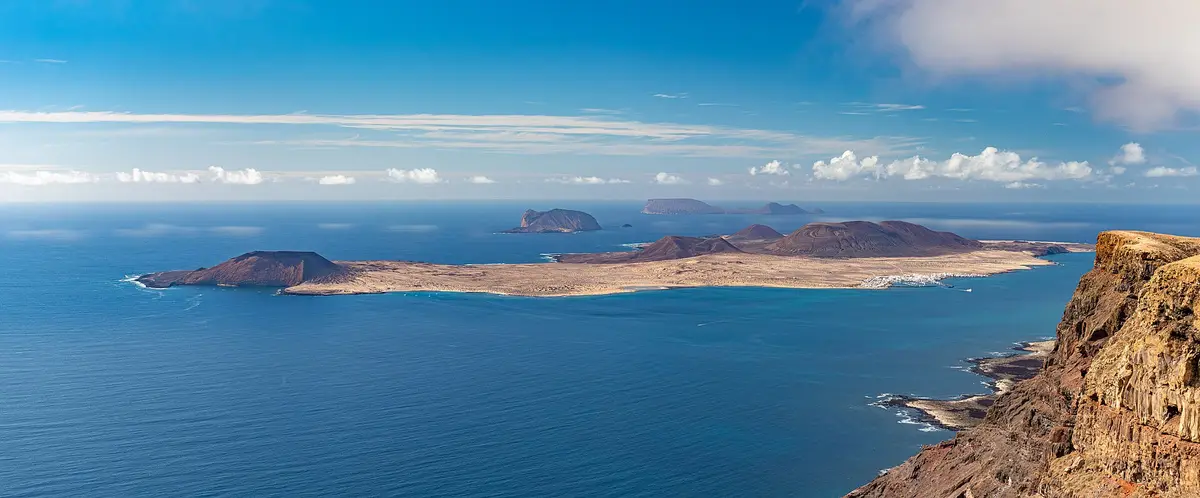
La Graciosa and its neighbouring islets form a protected archipelago within a large marine reserve
A cowboy-themed family park combining animal experiences, an interactive environmental cave, heated pools and water slides
Sharks, local marine life and touch tanks, alongside a display showing the effects of coastal pollution
A family waterpark in Playa Blanca, with sheltered beaches elsewhere around the resort
On the ground
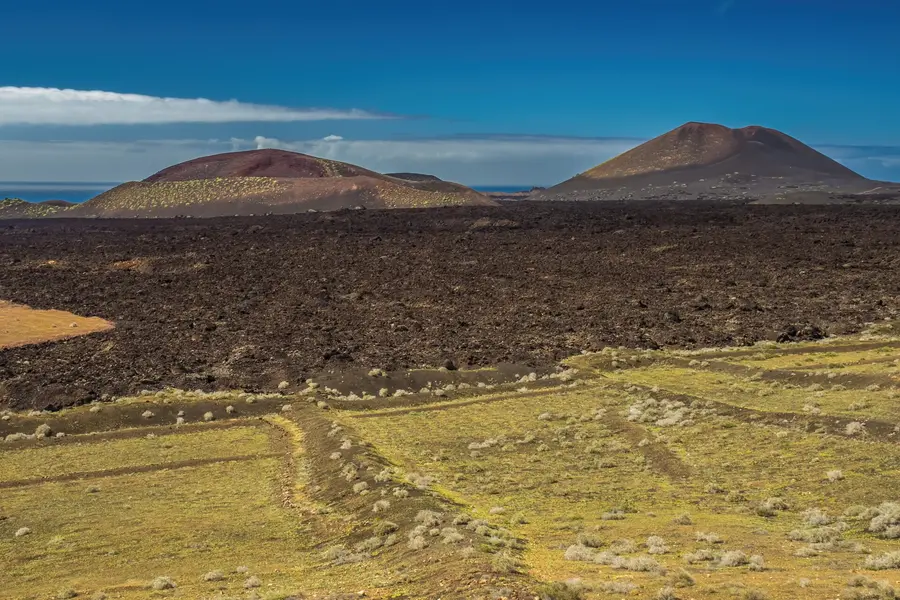
Volcanic landscapes are the common thread, not a reason to treat every attraction as interchangeable. Timanfaya National Park puts geology at the centre; Cueva de los Verdes takes that interest into a lava tube. At Jameos del Agua, the caves instead frame a cultural space shaped by César Manrique, with gardens, an auditorium and a subterranean salt lake. Choose according to what holds your attention: the formation of the landscape, or the way people have worked with it. The same distinction helps with museums. Castillo de San José combines a historic fortress with art, whereas Castillo de Santa Bárbara houses a museum about piracy. Mixing these kinds of visit gives a day more contrast than choosing solely from a list of famous names.
Worth knowing
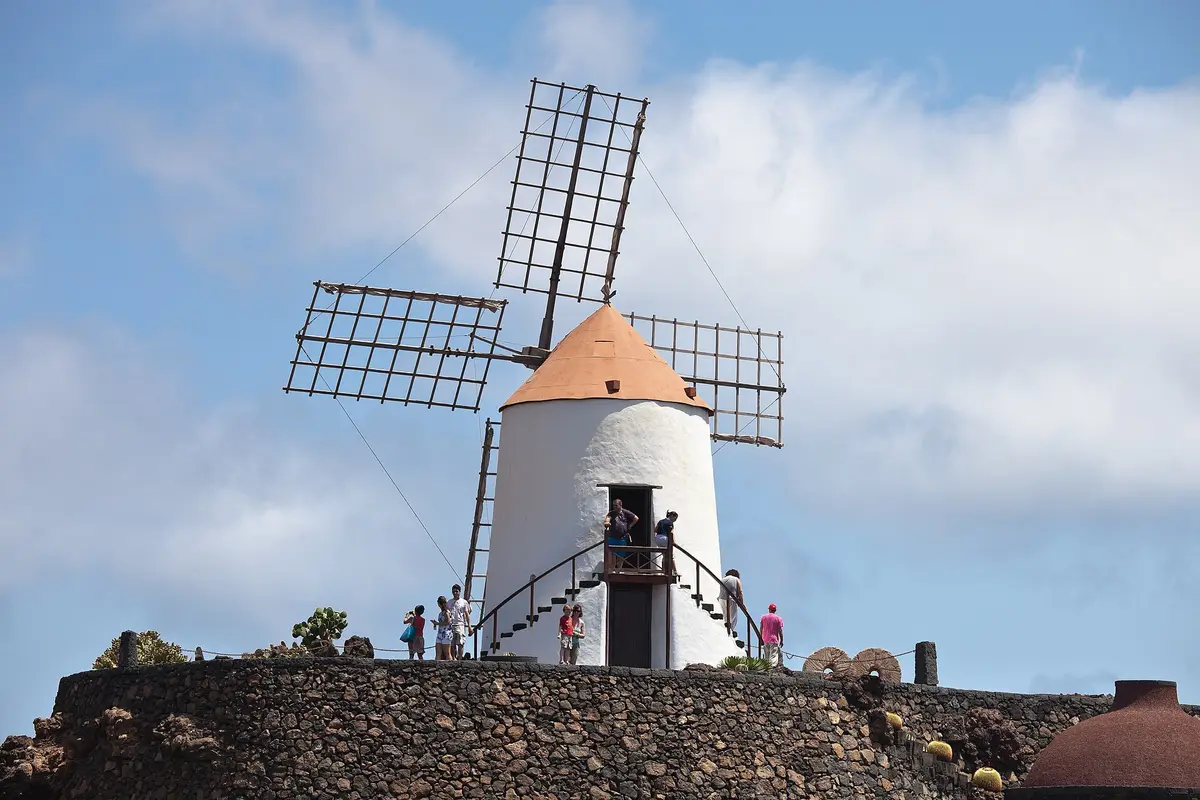
In northern Lanzarote, the Haría area brings together Jameos del Agua, Cueva de los Verdes and Mirador del Río. That concentration makes the north a useful focus if caves and Manrique's work are your priorities. The southwest has a different emphasis: Timanfaya National Park covers parts of Yaiza and Tinajo, while El Golfo and Charco Verde and Salinas de Janubio sit within Yaiza. Here, volcanic terrain, a coastal lagoon and working salt pans provide the connections between stops. Around Teguise, the cards include Jardín de Cactus, Fundación César Manrique and Castillo de Santa Bárbara; Arrecife is the setting for Castillo de San José. Use these geographical groups as starting points, rather than assuming attractions with the same theme belong on the same outing.
Your interests are a better starting point than trying to cover every attraction. Choose Timanfaya National Park for geology, Jameos del Agua for Manrique's treatment of a volcanic setting, or a fortress museum for art or history. Then compare nearby cards and add a contrasting experience, rather than repeating the same theme throughout the day.
Not necessarily: La Graciosa is part of the Chinijo Archipelago, so these pages cover overlapping geography rather than unrelated destinations. La Graciosa is the archipelago's largest and only inhabited island. Treat its page as the focus for considering a visit, and the Chinijo Archipelago page as context for the wider island group and marine reserve.
Museo Atlántico is an underwater museum off southern Lanzarote, not a conventional indoor gallery. That makes the setting a central part of deciding if it suits your plans. For art in a building, Castillo de San José in Arrecife offers a different option, combining a historic fortress with an art museum.
Month pages bring together daytime highs, night temperatures, sea temperatures, sunshine and rain, so you can weigh beach days against the conditions you prefer for exploring.