Landscape
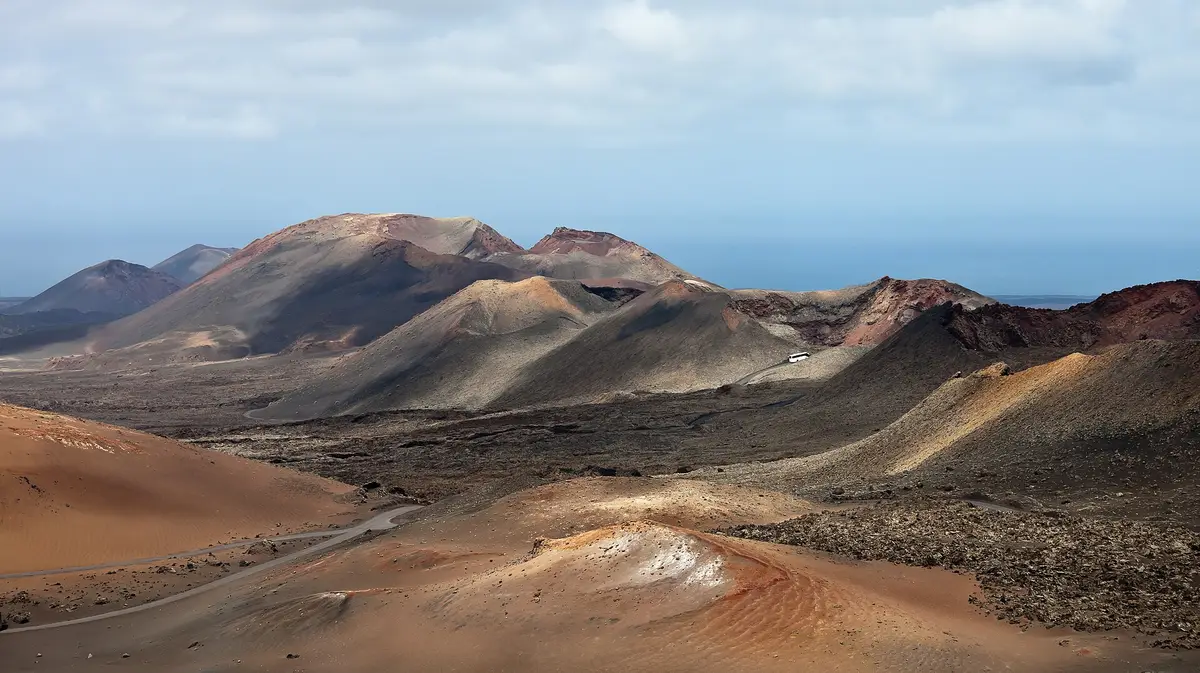
Timanfaya National Park
Tour a landscape formed by historic eruptions, where underground heat still turns water into steam
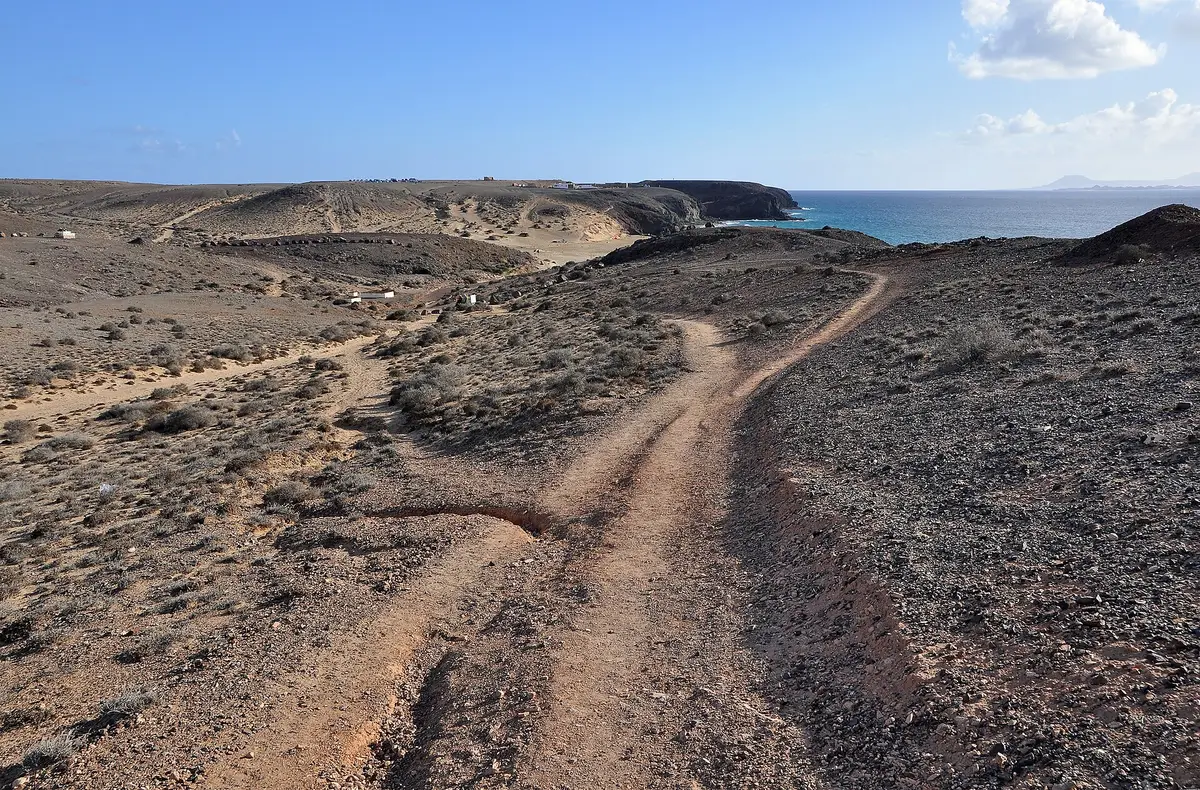
High cliffs divide Playas de Papagayo into a series of sandy coves on Lanzarote's south coast, southeast of Playa Blanca. People come for sheltered bays and a beach setting apart from the resort frontage. Getting there involves a bumpy dirt road or a sandy walking approach, rather than stepping straight off a promenade.
Planning a whole day from a base nearby? See things to do in Playa Blanca.
Despite often being called Papagayo Beach, this is a collection of smaller beaches rather than a continuous stretch of sand. High cliffs separate the coves, enclosing sheltered bays and breaking the coastline into distinct beach spaces. The sand, cliff faces and water are the main features here; the shape of the coast is what sets Papagayo apart from a broad, open beach.
The coves lie 3 km southeast of Playa Blanca, within protected coastal land. A visit centres on spending time on the sand and, when conditions allow, swimming in the bays. Shelter is part of their appeal, but it does not guarantee calm water, so conditions still need assessing on arrival.
For comparison, Playa Dorada is enclosed by a manmade cove and has shops and cafés behind it, as well as lifeguards. Papagayo's defining enclosure comes from the cliffs themselves. The choice is between a beach integrated into the resort and a group of coves with a rougher approach.
Vehicle access to the protected area is along a bumpy dirt road. This is the practical detail to allow for when planning the journey: the final approach is not a surfaced resort street. Drive at a pace suited to the surface, and check any hire-car restrictions before choosing this route. The recorded car-entry fee was €3 in 2024; treat that as a dated reference rather than a confirmed current charge.
Walking access is also possible from the eastern side of Playa Blanca. Signs beside the Papagayo Arena hotel lead onto a sandy path down to the first of the coves. The approach therefore includes both loose ground and a descent, which matters when carrying beach bags or travelling with children. Footwear suited to walking on sand is more useful here than planning solely for time beside the water.
Bring drinking water and sun protection for the approach as well as the beach. For the return, allow for walking back up from the cove rather than finishing directly on the town seafront.
Papagayo suits a beach day where the setting matters more than having resort services immediately behind the sand. Its smaller bays give the coast a different layout from the beaches within Playa Blanca: cliffs divide the shoreline, so arriving at a cove means reaching a distinct pocket of beach rather than joining a long seafront strip.
That geography also shapes what to carry. A bag that is comfortable on the sandy approach is more practical than loose beach equipment, particularly if arriving on foot. The dirt-road option avoids making the whole approach a walk from town, but it still involves a rough surface rather than a conventional resort arrival.
For families, the decision is mainly about access and convenience. Playa Dorada offers lifeguards, cafés and shops close to the beach; Papagayo offers the cliff-backed coves. The bays are sheltered, but the water on the day should determine swimming plans. There is no need to treat every cove as a sightseeing stop: time on the sand is the substance of a visit.
Playa Blanca is the nearby resort and the southernmost town on Lanzarote, within the municipality of Yaiza. Its main coastal bay is divided into smaller bays, with a town seafront, beaches and a ferry harbour. Papagayo lies southeast of this resort coastline, beyond the more straightforward beach access found in town.
That makes Playa Blanca a useful place to combine with the coves without turning the day into a cross-island outing. The town has restaurants and shops, while Papagayo provides the sandy bays separated by cliffs. Returning to the resort after the beach keeps those parts of the day distinct rather than relying on finding particular services beside a chosen cove.
For a different activity nearby, Museo Atlántico is an underwater sculpture collection off Playa Blanca, designed by Jason deCaires Taylor. It is a separate excursion, not something visible from a walk along Papagayo's sand. The coves themselves are primarily a place for beach time, swimming when conditions permit and looking along the cliff-divided shoreline.


Playas de Papagayo are a series of sandy coves 3 km southeast of Playa Blanca on Lanzarote's south coast. High cliffs separate the beaches into sheltered bays. They sit within protected coastal land, reached by a bumpy dirt road or a sandy walking route from the eastern side of the resort.
Yes, there is a walking approach from the eastern side of Playa Blanca. Signs beside the Papagayo Arena hotel direct walkers along a sandy path down to the first cove. Allow for loose ground and the climb back on the return, especially when carrying beach equipment or walking with children.
The recorded car-entry fee was €3 in 2024, but the current charge needs checking before you travel. Vehicle access follows a bumpy dirt road into the protected area. If using a hire car, check the agreement's restrictions on unsurfaced roads rather than assuming the approach is covered.
Papagayo's cliff-enclosed bays offer shelter, but swimming depends on the conditions when you arrive. Shelter should not be taken as a guarantee of calm or safe water. If having confirmed lifeguard provision is important to your choice, nearby Playa Dorada has lifeguards and a beach enclosed by a manmade cove.
Keep going
Tour a landscape formed by historic eruptions, where underground heat still turns water into steam
Human figures, a refugee boat and marine growth turn the seabed into an underwater sculpture gallery
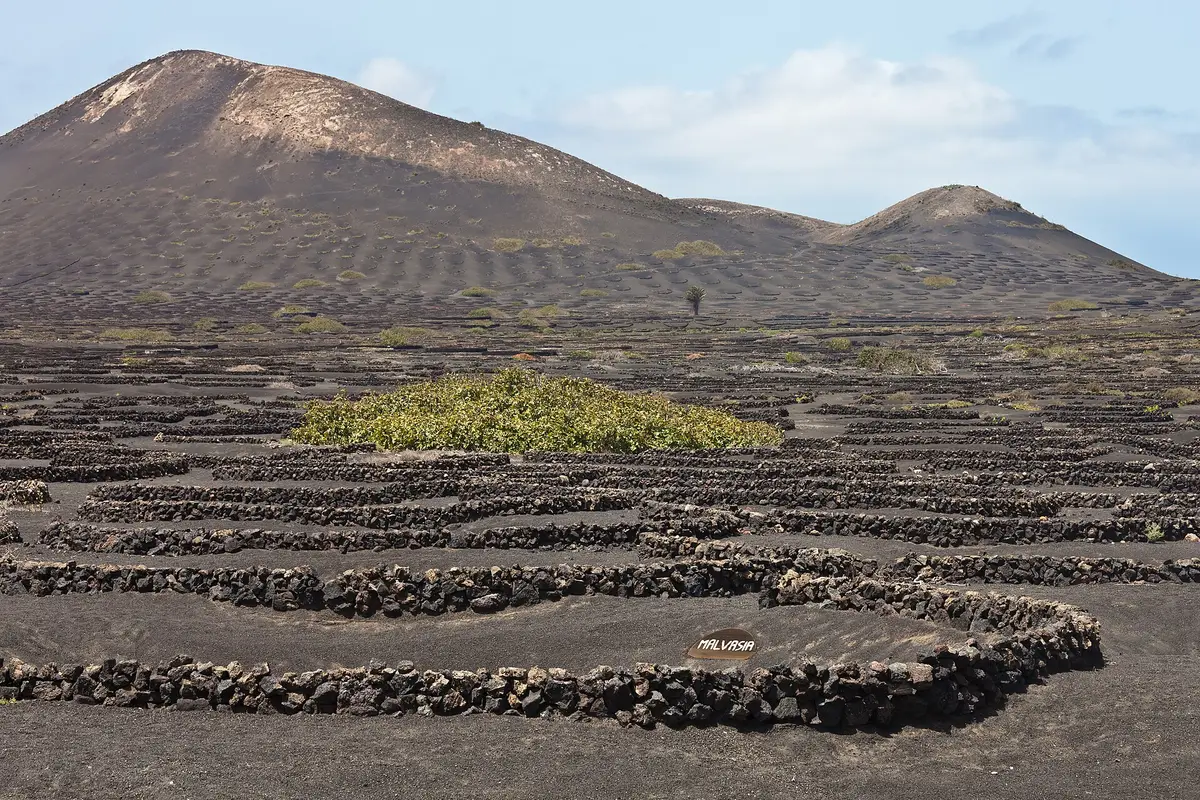
Vines grow in volcanic gravel, sheltered by conical hollows and low dry-stone walls