Landscape
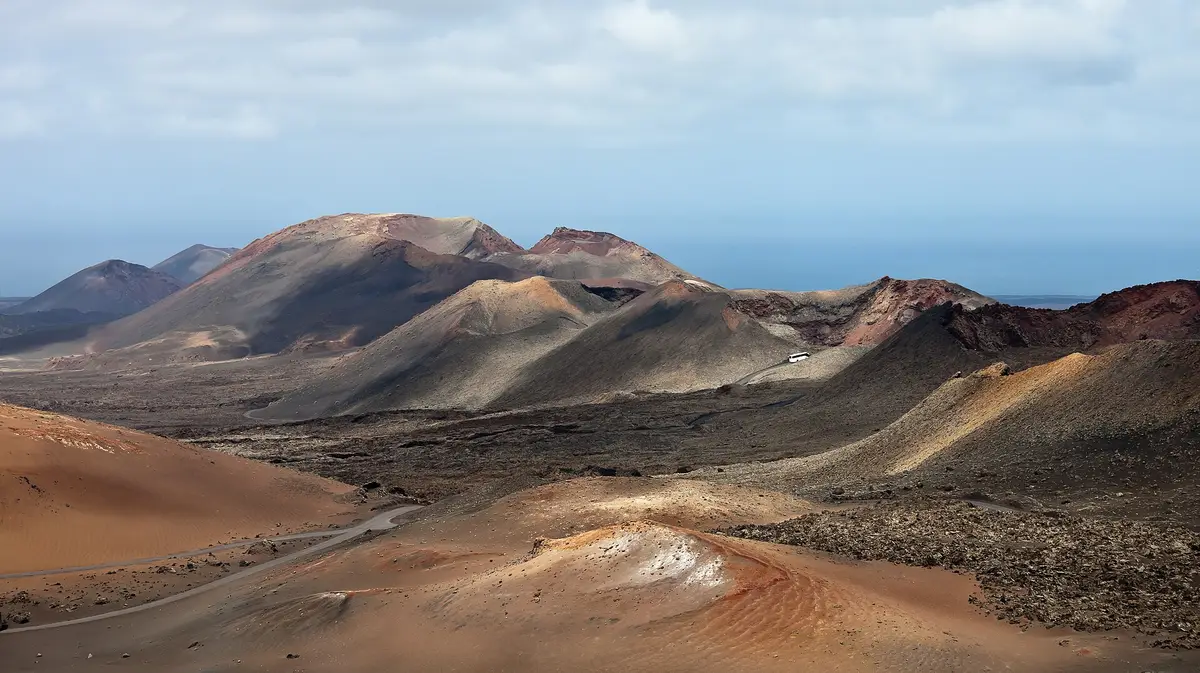
Timanfaya National Park
Tour a landscape formed by historic eruptions, where underground heat still turns water into steam
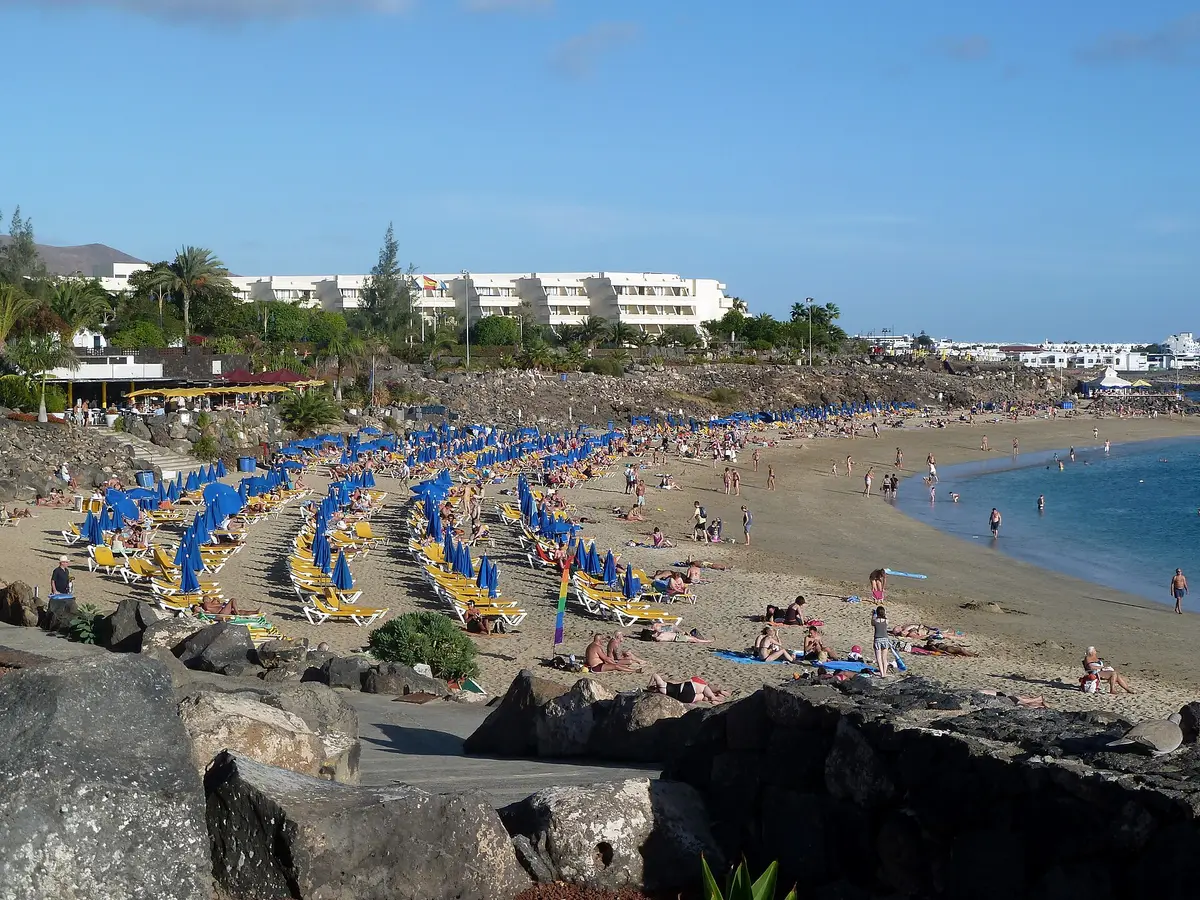
Breakwaters enclose the sandy shore at Playa Dorada, giving this beach east of Playa Blanca’s centre its generally calm water. People come for swimming, sunbathing and water sports, with shops and cafés directly behind the beach. Its name means Golden Beach, and the walk from the town centre takes about 10 minutes.
Planning a whole day from a base nearby? See things to do in Playa Blanca.
Playa Dorada sits on the eastern side of Playa Blanca’s main resort bay, on the south coast of Lanzarote. The beach is sandy, but the defining feature is its manmade enclosure: breakwaters shelter the water within the cove, so the sea is generally very calm. This is a constructed resort beach setting rather than an open stretch of exposed coastline, with commercial buildings behind the shore and water activities operating from the beach.
Swimming and sunbathing are the main reasons to spend time here, and lifeguards are present. The shelter makes it a practical choice for a beach day with children, although calm water should not be taken as a guarantee of safe conditions; flags and lifeguard advice still matter.
Compared with the small central beach that gives Playa Blanca its name, Playa Dorada is larger. The central beach has a mixture of sand and rocks, while Dorada offers a broader sandy setting and a stronger emphasis on water sports.
Banana boats, pedalos and parascending are available at Playa Dorada, which is Playa Blanca’s most popular beach for water-based activities. These give the shore a different role from a beach used mainly for lying on the sand: visitors come here to arrange rides as well as to swim. A pedalo offers time on the water, while parascending takes the activity above it. Availability will depend on conditions and the operators working that day.
Behind the beach, the shopping centre has shops and cafés, so a drink or a break from the sand does not require a return to the town centre. That proximity is part of the beach’s appeal for a straightforward resort day, with swimming, food stops and activities close together.
From central Playa Blanca, the beach is about a 10-minute walk east. The town centre is compact and walkable, but the wider resort spreads along the coast, so that walking time should not be assumed to apply from accommodation elsewhere in Playa Blanca.
The immediate alternative is Playa Blanca’s central beach, a small patch of sand and rocks in the town itself. It is the quietest of the resort’s main beaches and also has lifeguards. Playa Dorada gives you more space and a choice of organised water activities, with the trade-off that it is a more activity-focused shore. The distinction is useful if your main aim is a swim rather than a boat ride or parascending session.
Playas de Papagayo offers a different coastal setting: separate sandy coves divided by high cliffs, rather than a beach enclosed by built breakwaters and backed by shops. Access there involves more planning than the walk from central Playa Blanca to Dorada.
For a day centred on swimming with café breaks nearby, Dorada keeps the practical elements together. Its character comes from that combination of sheltered water, sand and resort services, rather than from isolation. You remain beside the town, with the option of returning to its centre on foot.
Playa Dorada is east of central Playa Blanca, within the municipality of Yaiza. If you are already in the centre, walking is the straightforward approach: the beach is about 10 minutes away. Shops and cafés behind the sand provide a clear sense that you have reached a resort beach rather than a remote coastal access point.
For visitors staying elsewhere on Lanzarote, Playa Blanca has bus connections with Arrecife, Puerto del Carmen, Yaiza and the airport. The town’s bus station lies on the northern edge of its commercial area. Reaching Playa Blanca by bus still leaves a local journey to the beach; the quoted walk is from the centre, not a stated transfer time from every arrival point.
The wider town extends well beyond its compact centre, and taxis and a local bus service operate within the resort. Accommodation described simply as being in Playa Blanca may therefore be some way from Dorada. Checking its position relative to the beach is more useful than relying on the resort name alone.


Yes, Playa Dorada is generally good for swimming because breakwaters shelter its manmade cove. The water is usually very calm, and lifeguards are present. Conditions can still change, so follow beach flags and lifeguard advice rather than assuming that the enclosure makes the sea safe at all times.
Playa Dorada is about a 10-minute walk east of Playa Blanca’s centre. That makes it convenient for combining the beach with time in town. Playa Blanca spreads along the coast beyond its compact central area, however, so the journey from your accommodation may be considerably different.
Banana boats, pedalos and parascending are available at Playa Dorada. It is the resort’s most popular beach for water-based activities, alongside its role as a swimming and sunbathing beach. Check arrangements with the operators on the day, since sea conditions and availability can affect what is running.
Yes, shops and cafés are in the shopping centre directly behind Playa Dorada. You can leave the sand for refreshments without walking back into central Playa Blanca. This close connection between beach and resort services is a key practical difference from choosing a more remote stretch of coast.
Keep going
Tour a landscape formed by historic eruptions, where underground heat still turns water into steam
Human figures, a refugee boat and marine growth turn the seabed into an underwater sculpture gallery
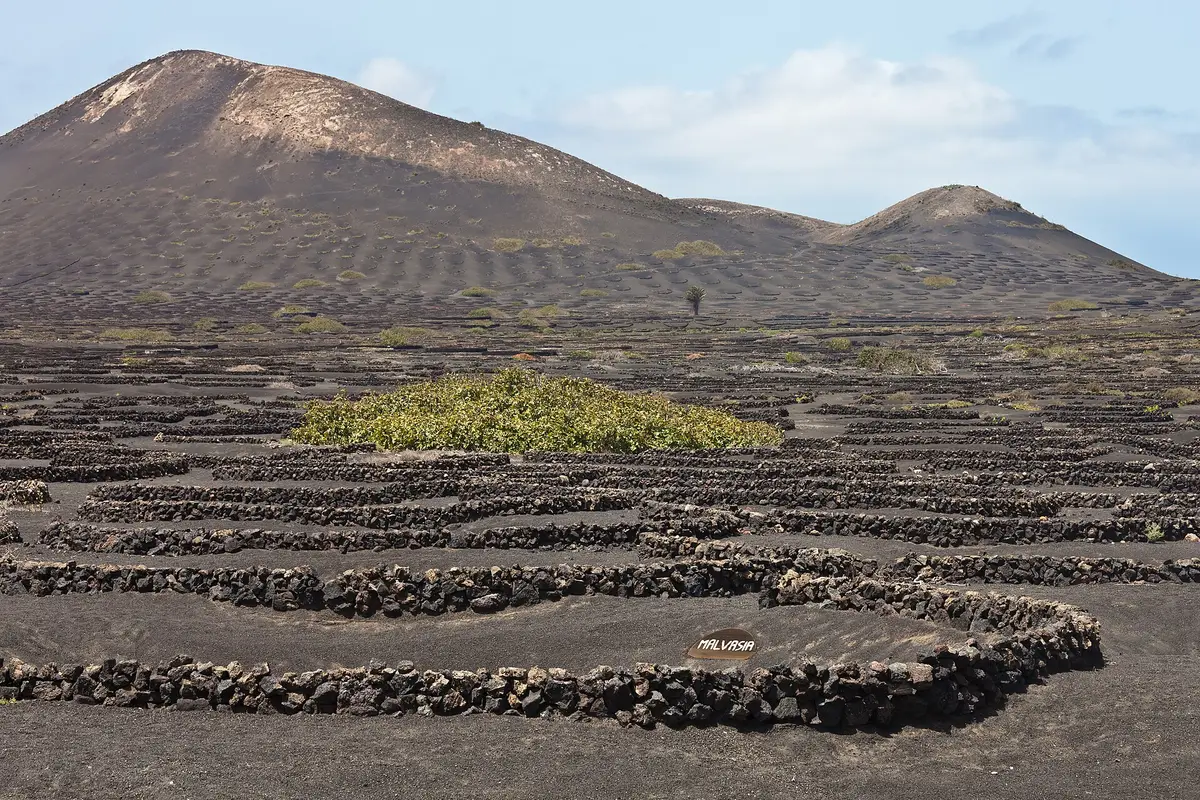
Vines grow in volcanic gravel, sheltered by conical hollows and low dry-stone walls