Landscape
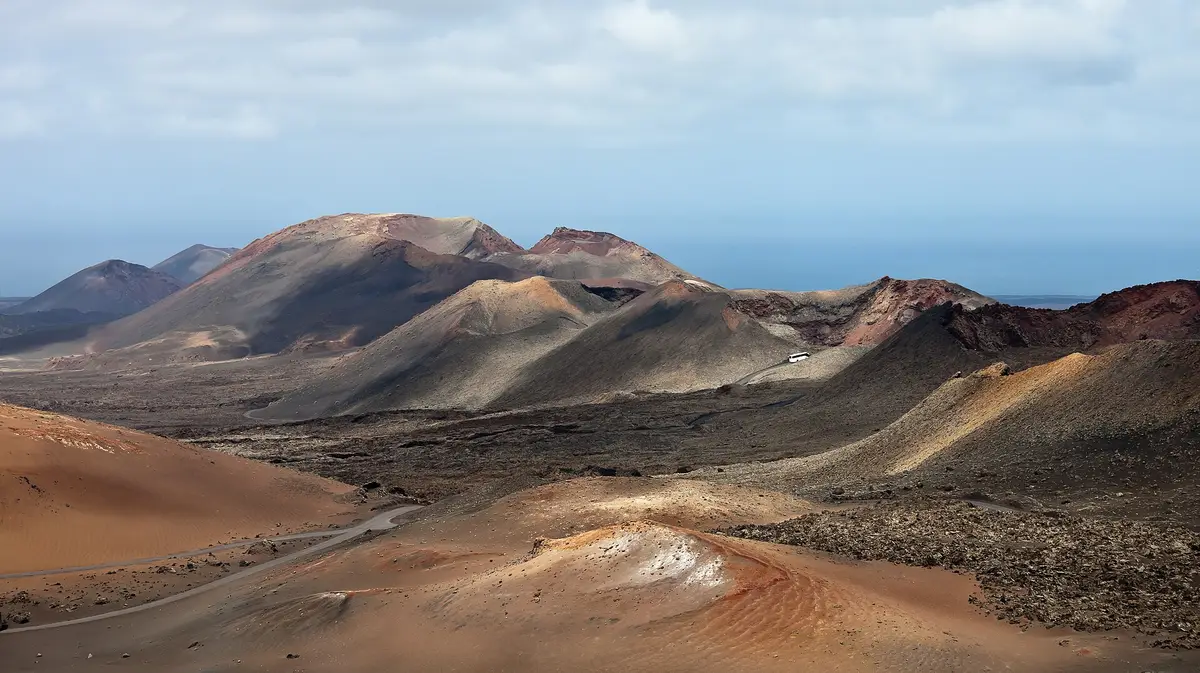
Timanfaya National Park
Tour a landscape formed by historic eruptions, where underground heat still turns water into steam
Aqualava Waterpark is a family attraction in Playa Blanca, within the municipality of Yaiza in southern Lanzarote. It offers a waterpark option in a resort whose other water-based outings centre on beaches and sheltered coves. For families staying in Playa Blanca, the main comparison is between a park visit and time by the sea.
Planning a whole day from a base nearby? See things to do in Playa Blanca.
Playa Blanca is Lanzarote's southernmost town, with a coastline arranged around a broad bay and smaller sheltered inlets. Inland, the landscape is level and volcanic. Aqualava belongs to this resort setting rather than the island's circuit of caves, viewpoints and historic buildings.
The town's seafront walkway links stretches of coast, with beaches providing alternatives to a waterpark outing. In the centre, the beach called Playa Blanca has a mixture of sand and rocks, with lifeguards present. Playa Dorada lies east of the centre, a 10-minute walk away. Its manmade cove generally keeps the sea calm, and shops and cafes sit behind the beach. Banana boats, pedalos and parascending are among the activities available there.
Those beach facilities should not be confused with what is inside Aqualava. The resort offers several ways to spend time in the water, but a sheltered sea cove and a managed waterpark are different settings. For the park itself, current ride access and pool arrangements need checking directly.
Playa Dorada is the clearest local alternative for a family considering a waterpark day. There is a beach, generally calm sea within a manmade cove, lifeguards and places to eat behind the sand. Its water-based activities give it a different character from the smaller central beach at Playa Blanca, which combines sand and rocks.
Playas de Papagayo offers another kind of coastal outing. High cliffs divide the coast into smaller beaches and sheltered bays, so the appeal is the shape of the shoreline as much as swimming. Access by car involves a bumpy dirt road; the coves can also be reached on foot. That makes the approach part of the outing, unlike simply arriving at a town beach.
Neither beach option is a substitute for checking Aqualava's actual facilities. A waterpark comparison depends on the rides available to your group, while a beach day depends on sea conditions. Sheltered geography does not guarantee calm water on the day, and children still need close supervision.
Specific information about Aqualava's individual rides, pool layout, construction history and designers is not available to describe reliably. The same applies to water heating, changing facilities, lockers, food outlets and step-free access. None of those features should be assumed from the waterpark name alone.
For a family visit, the important distinction is between admission to the park and permission to use each attraction. Current height or age restrictions, swimming requirements and adult-supervision rules need checking directly with Aqualava. These determine what children can actually use, rather than simply what appears in photographs of a waterpark.
Opening times, ticket prices and transport arrangements also require current confirmation. Playa Blanca has a bus and coach station with direct or connecting services around Lanzarote, but that does not establish a service to the park entrance. Likewise, the town's beaches and seafront facilities do not establish what is available inside Aqualava. Keeping those details separate avoids arriving with expectations based on the surrounding resort.
Aqualava sits within the family-attraction side of a Lanzarote holiday, rather than the sightseeing circuit represented by places such as Timanfaya National Park or Jameos del Agua. The relevant choice is therefore not which landmark it replaces, but how much of the holiday your group wants to spend around water.
Staying in Playa Blanca puts that choice in a resort with beaches, a seafront walkway and water-based activities already available. Playa Dorada provides the most direct beach comparison, while Playas de Papagayo involves a different coastal setting and approach. Neither needs to be added to the same day as the park.
For families based elsewhere on Lanzarote, the journey to Playa Blanca is another part of the outing. Public transport reaches the town through direct or connecting services, although park-specific connections need confirming. Without reliable details of Aqualava's ride line-up and admission arrangements, it would be misleading to promise a particular visit length or recommend it for every age group.
Aqualava Waterpark is in Playa Blanca, in the municipality of Yaiza in southern Lanzarote. Playa Blanca is the island's southernmost town and a resort with sheltered beaches and a seafront walkway. Confirm the park entrance and your transport arrangements directly rather than treating directions to the town centre as directions to Aqualava.
The individual rides, pools and their restrictions cannot be confirmed here. Before booking, check Aqualava's current attraction list, height or age requirements and swimming rules directly with the park. These details matter particularly for families with children of different ages, because admission does not necessarily mean access to every attraction.
Playa Dorada is a local beach alternative, with generally calm water inside a manmade cove. It lies east of Playa Blanca's centre and has lifeguards, shops and cafes nearby. Banana boats, pedalos and parascending are available there, although a beach outing remains dependent on sea conditions rather than a waterpark's operating arrangements.
Public transport serves Playa Blanca, but a bus connection to Aqualava's entrance is not confirmed. The town's bus and coach station has direct or connecting services to other parts of Lanzarote. Check the current route, stop and onward journey before travelling, particularly if you will be carrying swimming kit for the family.
Keep going
Tour a landscape formed by historic eruptions, where underground heat still turns water into steam
Human figures, a refugee boat and marine growth turn the seabed into an underwater sculpture gallery
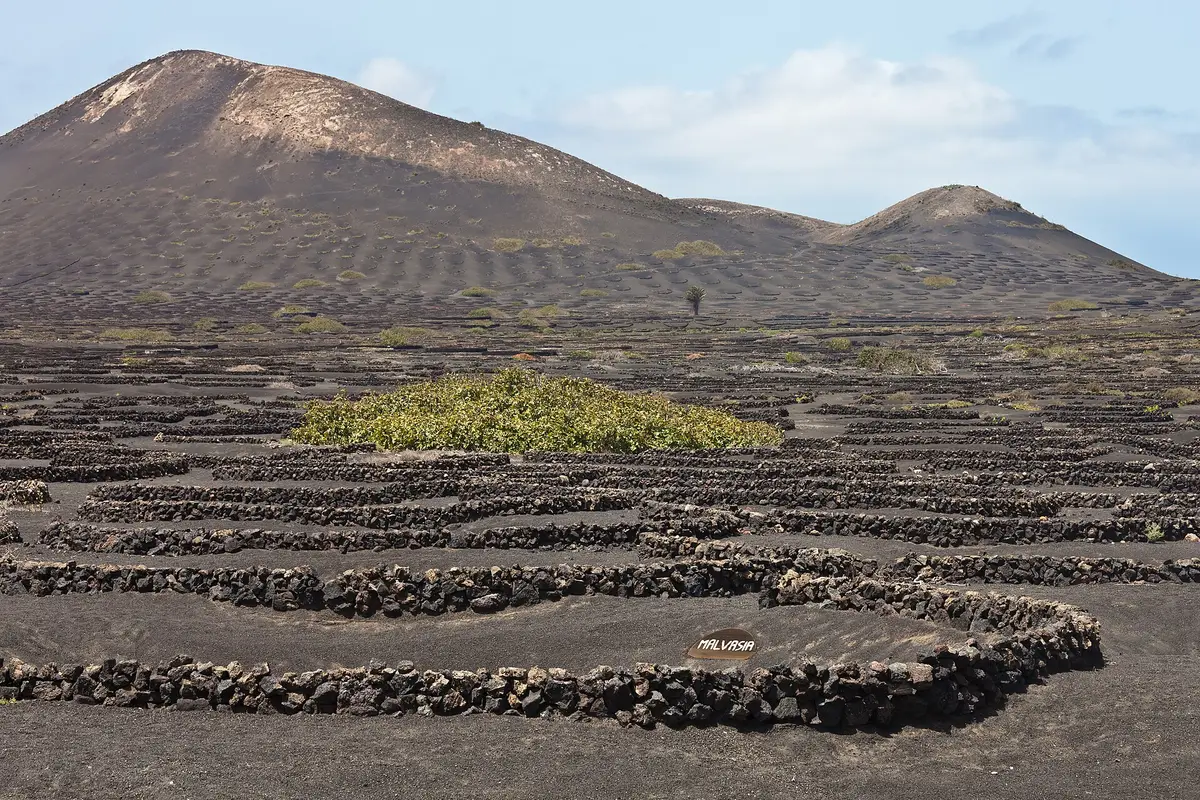
Vines grow in volcanic gravel, sheltered by conical hollows and low dry-stone walls