Landscape
Timanfaya National Park
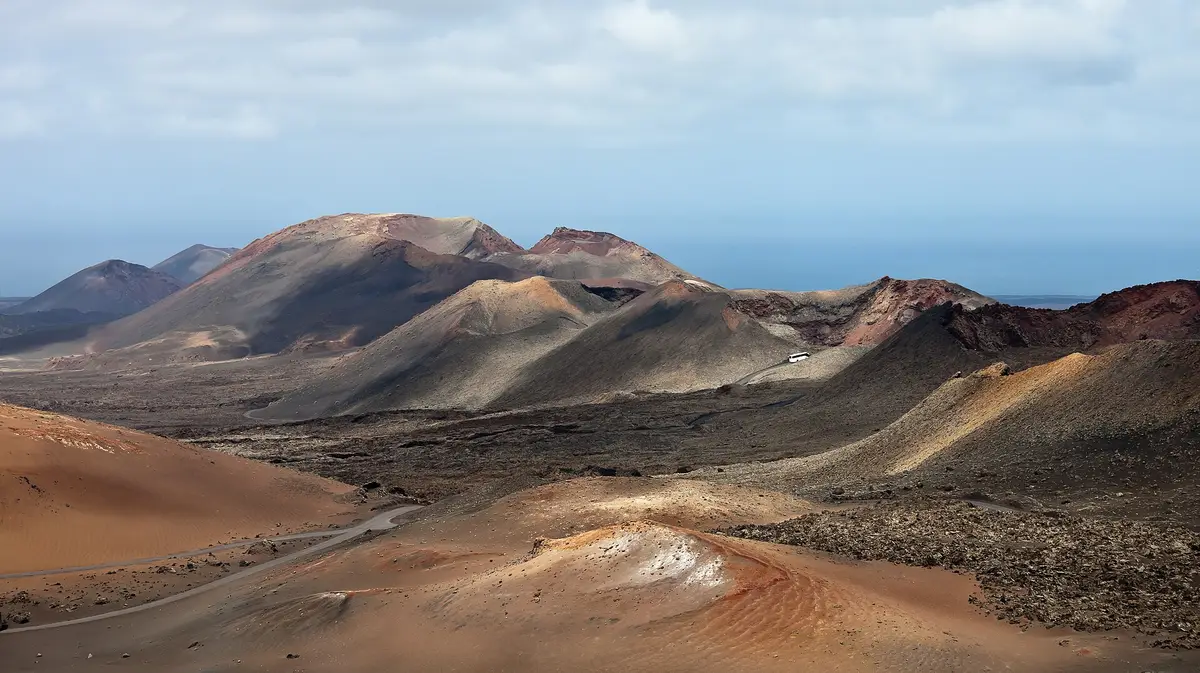
Tour a landscape formed by historic eruptions, where underground heat still turns water into steam
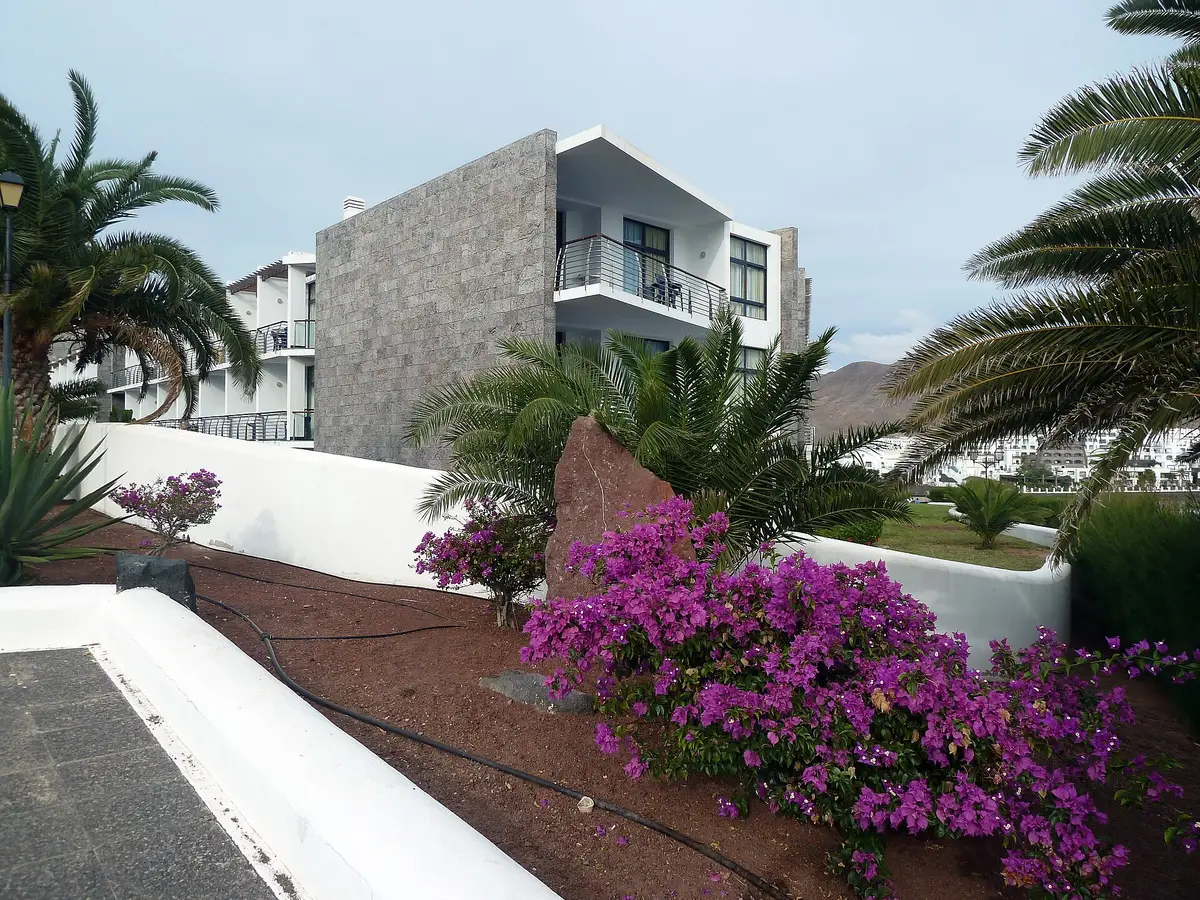
Sheltered beaches and a long seafront define Playa Blanca, Lanzarote's southernmost town and newest resort. Visitors come for swimming, marina restaurants and access to Playas de Papagayo, with ferries crossing to Fuerteventura from the harbour. It belongs to the municipality of Yaiza, but has grown far beyond the scale of that village.
Playa Blanca takes its name from the small central beach, whose Spanish name means White Beach. The wider coastline forms a bay 9 kilometres across, divided into smaller bays with beaches, a ferry harbour and a leisure marina. Restaurants, shops and mostly low-rise hotels back the shore, while the inland edge gives way to level volcanic ground.
The centre is compact enough to explore on foot, but the resort stretches 8 kilometres from east to west. A seafront walk through the central area is therefore quite different from walking back to accommodation on the outskirts. The promenade links beach stops with places to eat and views across the channel towards Fuerteventura.
This is also a substantial residential town, with 14,276 residents in 2025, schools and a public library opened in April 2012. Around the ferry port, the waterfront has a working purpose beyond beach holidays: boats connect Playa Blanca with Corralejo, carrying passengers across to the neighbouring island.
The central Playa Blanca beach is small, with sand and rocks, and is the quietest of the resort's main beaches. It has lifeguards and sits directly beside the town centre. Groups of children also practise Canarian wrestling here in the evening, giving the beach a role beyond swimming and sunbathing.
Playa Dorada lies a 10-minute walk east of the centre. Its manmade cove shelters generally calm water, with lifeguards, shops and cafés nearby. Banana boats, pedalos and parascending make this the busier choice for water-based activities. To the west, Playa Flamingo is reached by a seafront walk of about half an hour. Breakwaters shelter its sandy shore, and shops and restaurants stand nearby. Its sea wall was rebuilt in early 2011 after damage during Tropical Storm Delta in November 2005.
For a different setting, Playas de Papagayo is a collection of smaller sandy coves separated by high cliffs. These are sheltered bays rather than a continuous resort beach. Access involves a bumpy dirt road or a walk over sandy paths from the eastern edge of Playa Blanca, so getting there takes more preparation than stepping onto a central beach.
Marina Rubicon is about a 15-minute promenade walk from the town centre. Shops and restaurants surround the leisure harbour, where floating pontoons divide rows of moored boats. The pontoons have aluminium frames covered with tropical wood, and the marina has 550 berths accommodating both monohulls and multihulls. From the public waterfront, the boats and harbour layout provide plenty to look at without taking a trip out to sea.
Markets take place on Wednesday and Saturday mornings, selling goods that include handcrafted gifts and local wines. These mornings add a specific reason to visit beyond eating beside the water or walking along the quays.
East of the marina, Castillo de las Coloradas stands on the headland of Punta del Aquila. Built between 1741 and 1744, this circular watchtower defended the coast against pirate attacks. Its thick, rounded construction and drawbridge were protective features, while a bell warned of approaching raiders. There is no entry, so the visit is an exterior stop on the coastal walk rather than a tour of furnished rooms.
Off Playa Blanca, Museo Atlántico moves the gallery visit beneath the sea. British artist Jason deCaires Taylor designed the collection, which opened in 2016 and contains over 300 life-size sculptures. Most stand at depths of 12 to 15 metres, spread across 2500 square metres of seabed.
The figures depict recognisable actions in an unfamiliar setting: a woman taking a selfie, people posing for a group photograph and a suited man at a desk with his head buried in the sand. Children stand holding hands in a circle. These are not simply decorative objects placed underwater; the scenes address everyday behaviour alongside social and political issues.
The sculptures use pH-neutral materials intended to encourage marine growth, so their surfaces change as sea life colonises them. A guided dive brings visitors down among the figures, with instructors leading the visit. Depth makes this a planned water activity rather than a casual swim from the beach. Anyone considering snorkelling instead should discuss access and likely views with the organiser before booking.
Playa Blanca is approximately a 40-minute drive from the airport, around 45 km away. The main road connection is the LZ-2. Bus 161 links the airport with Playa Blanca via Puerto del Carmen and Yaiza, continuing to the ferry pier. Service frequency varies by day, so the return journey needs checking rather than assuming the same timetable throughout the week.
A car is not essential for a stay centred on the town and its beaches. The central area is walkable, and Bus 30 crosses the resort via the ferry pier and bus station, running every 30 minutes. However, Playa Blanca extends 8 kilometres east to west, so accommodation location makes a substantial difference to everyday walking. Taxis are also available.
Playa Dorada is a practical choice for swimming, with generally calm water inside a manmade cove and lifeguards on the beach. It is a 10-minute walk east of the centre, with cafés and shops nearby. Playa Flamingo is also sheltered by breakwaters, while the central Playa Blanca beach is smaller and has a mixture of sand and rocks.
Yes, ferries connect Playa Blanca with Corralejo on Fuerteventura. The crossing takes around 30 minutes, making a day trip possible without changing accommodation. Services include car ferries and foot-passenger boats, so the appropriate booking depends on how you plan to travel after arrival. Current sailing times and vehicle availability should be checked before arranging the rest of the day.
Keep going
Tour a landscape formed by historic eruptions, where underground heat still turns water into steam
A subterranean salt lake and lava openings form the setting for César Manrique's cultural centre
Enter a drained lava tube with illuminated cave walls and a concert hall near its entrance