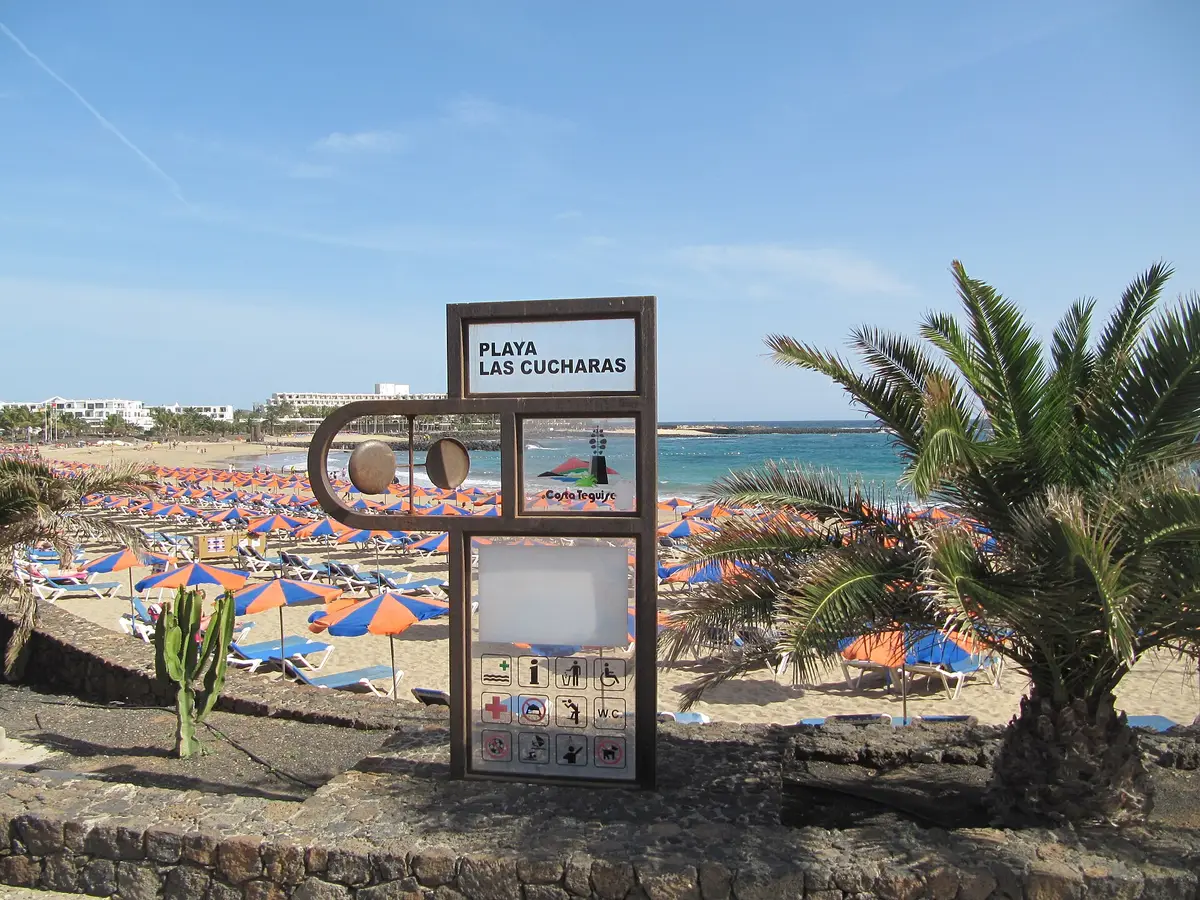
Playa de las Cucharas belongs to the coastal setting of Costa Teguise, a town built specifically to accommodate tourism on Lanzarote. It suits a visit centred on the coast and the town together. Behind the beach is a settlement whose streets were laid out and serviced before building work began.
Planning a whole day from a base nearby? See things to do in Costa Teguise.
A town planned for tourism
The built setting around Playa de las Cucharas is Costa Teguise, a coastal town within the Municipality of Teguise. Tourism was not a later addition to its original purpose: accommodating visitors was the reason the town was built. That background is the defining feature of the beach's surroundings.
The construction sequence was deliberate. Before building work began, the streets had already been planned, constructed and serviced. The street network therefore came before the buildings, rather than being fitted around an existing settlement. Looking beyond the beach, it is this planned town that forms the wider setting for a visit.
The distinction between Costa Teguise and Teguise also matters when placing the beach. Costa Teguise is the coastal town; Teguise is the municipality to which it belongs. Playa de las Cucharas is part of that coastal tourism setting, so a beach outing here is also a visit to a town conceived around holidaymakers.
Beach and town together
Playa de las Cucharas is best understood as a beach within Costa Teguise, rather than as a separate destination detached from the town. The coast and the purpose-built settlement belong to the same outing. For a visitor staying in Costa Teguise, the beach provides a natural focus for time by the sea without changing the town-based character of the holiday.
There is also a clear distinction between the beach's name and the names used for its surroundings. Playa de las Cucharas identifies the beach itself, Costa Teguise identifies the coastal town, and Teguise identifies the municipality. Keeping those names separate makes the location easier to understand when arranging a stay or discussing where to meet.
The wider setting is Lanzarote in the Canary Islands, Spain. Within that island context, the concrete feature that distinguishes this beach's background is the intentional creation of Costa Teguise for tourism, with its streets prepared before the buildings followed.
Choosing your beach base
For a holiday based in Costa Teguise, Playa de las Cucharas keeps the beach and the surrounding tourism town within the same destination. The practical choice here is as much about the town as the shoreline: this is a coastal settlement created to accommodate visitors, not simply a beach name on an island itinerary.
Other beach names to consider elsewhere in the guide include Playas de Papagayo, Playa de Famara, Playa Dorada, Playa Grande and Caletón Blanco. They are separate destinations, and their names should not be treated as interchangeable with Playa de las Cucharas. The defining location detail here remains Costa Teguise and its position within the Municipality of Teguise.
A visit can therefore stay focused on the beach and its immediate town setting. The history visible in the broader urban layout is one of advance planning: streets were constructed and serviced before building commenced, establishing the framework for the tourism town that surrounds the beach today.
Understanding the location
The name Playa de las Cucharas refers to the beach, while Costa Teguise supplies the coastal town context. Teguise appears in the location because Costa Teguise lies within its municipality. These overlapping names describe different scales of the same setting, rather than different names for the beach.
Costa Teguise's development was unusually explicit in its purpose. It was built intentionally for tourism, and the preparation of its streets preceded construction of the buildings. Planning, construction and servicing of the street network were completed in advance, giving the later town an established framework.
For a beach visit, that history explains the character of the surrounding destination without needing to treat the shoreline as an isolated attraction. Playa de las Cucharas belongs to a planned coastal tourism town on Lanzarote. The beach name, the town name and the municipal name each have a distinct role when locating it, arranging a stay or comparing it with another beach destination on the island.
What to look for
- Spend time by the sea at Playa de las Cucharas
- Look at the street layout of purpose-built Costa Teguise
- Place the beach within Costa Teguise and the Municipality of Teguise
- See the coastal setting of a town created specifically for tourism
- Combine the beach with time in its surrounding coastal town
Playa de las Cucharas in photographs

Questions about Playa de las Cucharas
Where is Playa de las Cucharas?
Playa de las Cucharas is in Costa Teguise, on Lanzarote in the Canary Islands, Spain. Costa Teguise is a coastal town within the Municipality of Teguise. For locating the beach, Costa Teguise is the useful town name; the municipal name describes the wider area it belongs to.
Is Costa Teguise a purpose-built resort?
Yes, Costa Teguise was built intentionally to accommodate tourism. Its development began with the street network: the streets were planned, constructed and serviced before building work commenced. Playa de las Cucharas sits within this coastal tourism setting, rather than belonging to a town that only later acquired a visitor economy.
Is Playa de las Cucharas the same place as Costa Teguise?
No, Playa de las Cucharas is the beach, while Costa Teguise is the surrounding coastal town. Both names may be used when describing a holiday location, but they refer to different things. Costa Teguise belongs to the Municipality of Teguise, which is the wider administrative area.
What is distinctive about the setting of Playa de las Cucharas?
Its surrounding town was planned specifically for tourism before the buildings went up. In Costa Teguise, the streets were planned, constructed and serviced in advance of building work. That sequence gives the beach a clear historical context within a deliberately created coastal tourism destination on Lanzarote.
Keep going
Close to here
Manrique
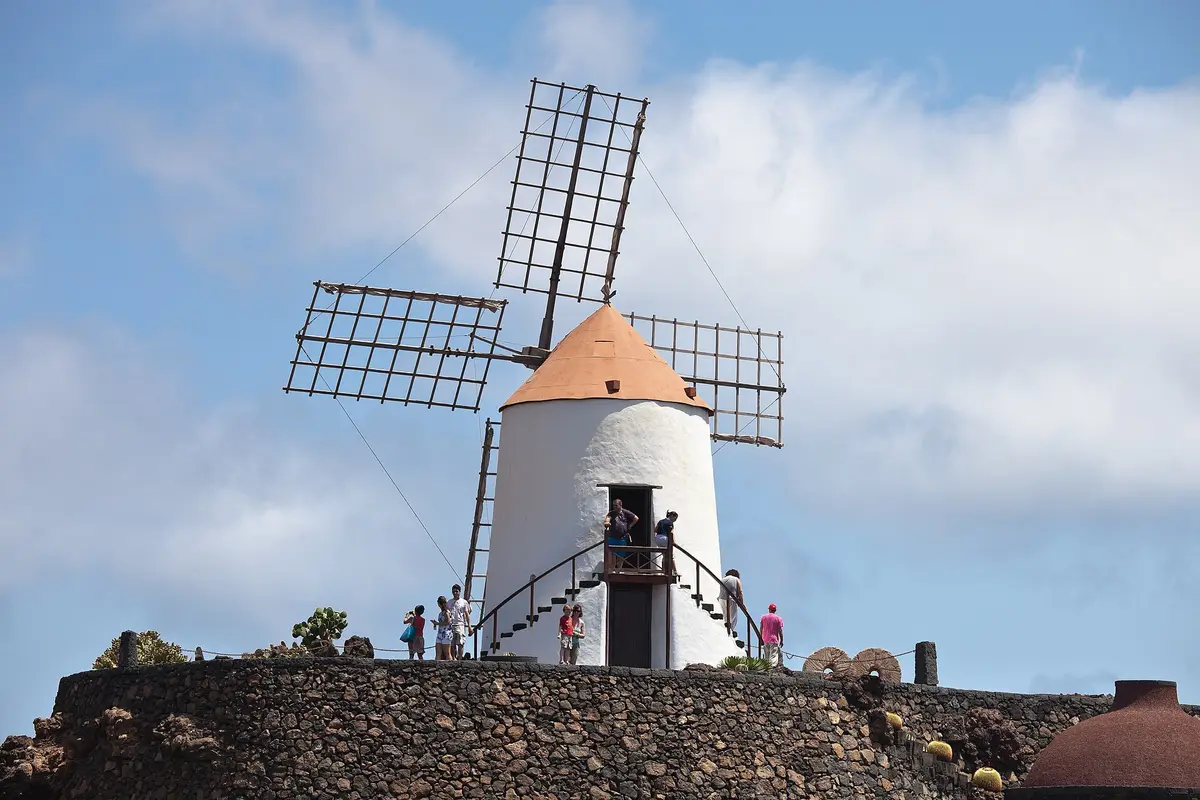
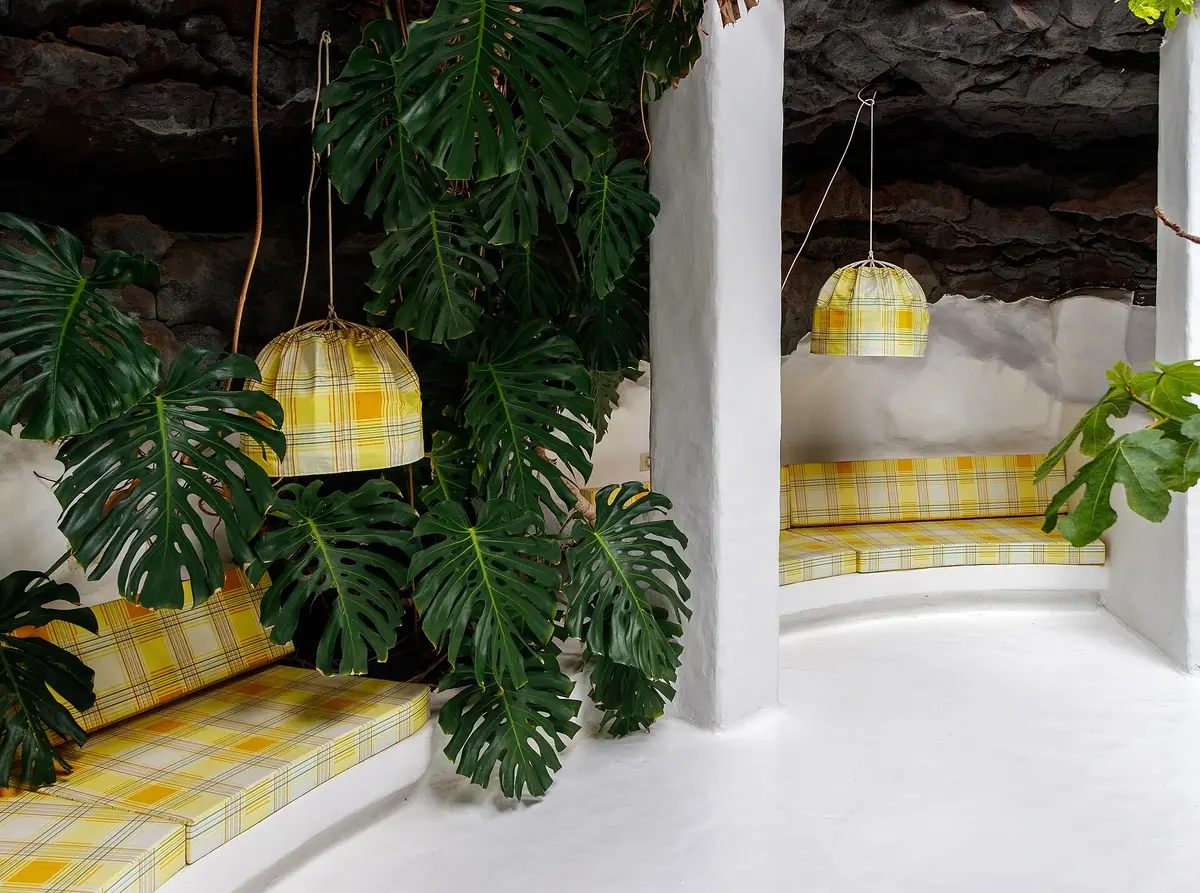
Fundación César Manrique
The foundation continuing César Manrique's conservation work on Lanzarote
Museum
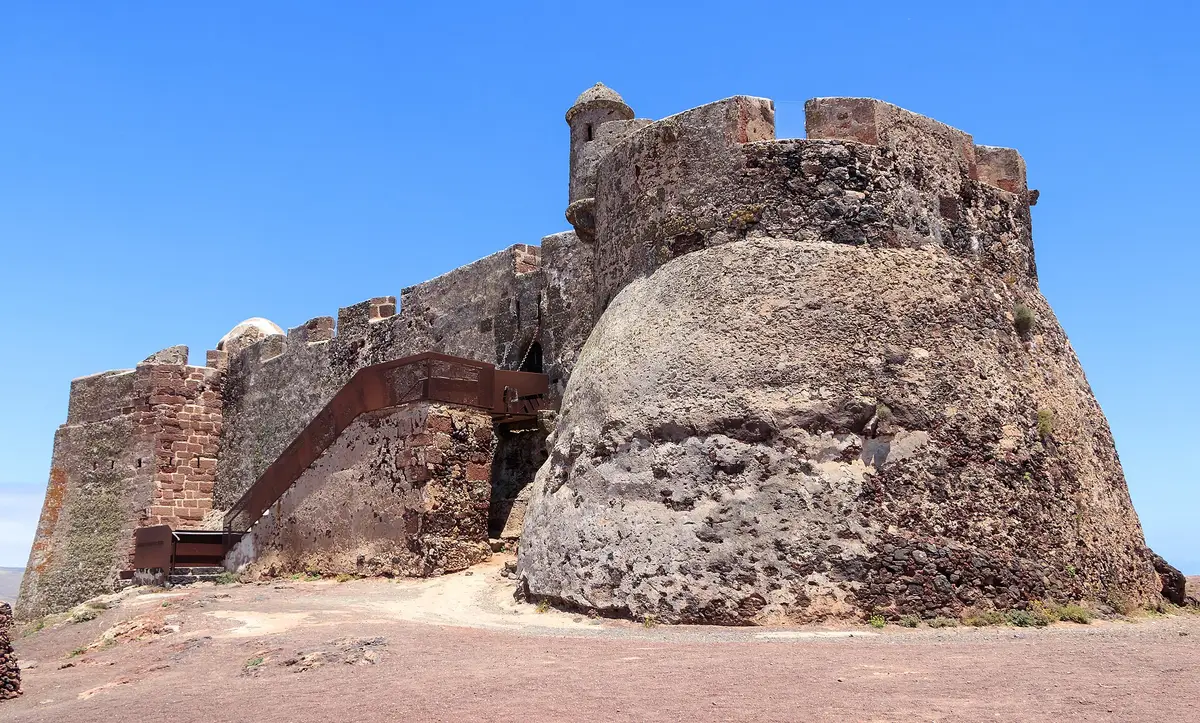
Castillo de Santa Bárbara
A fortress on Guanapay volcano’s crater edge, built to shelter Teguise’s inhabitants and now housing the Piracy Museum