Landscape
Timanfaya National Park
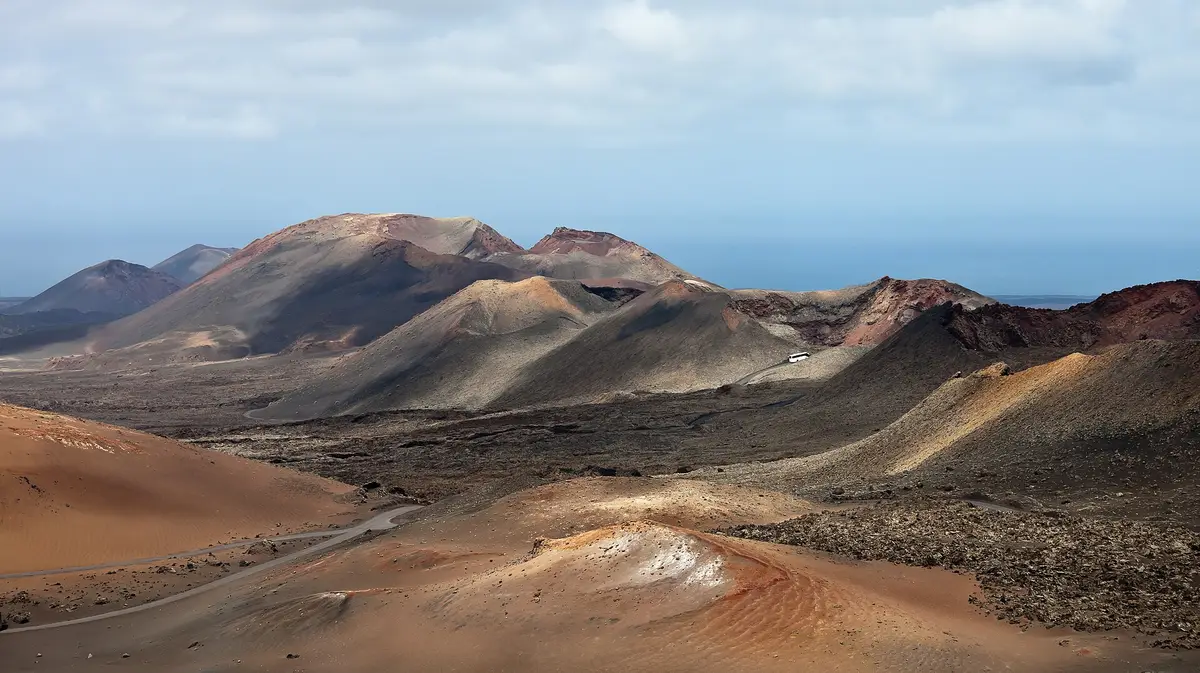
Tour a landscape formed by historic eruptions, where underground heat still turns water into steam
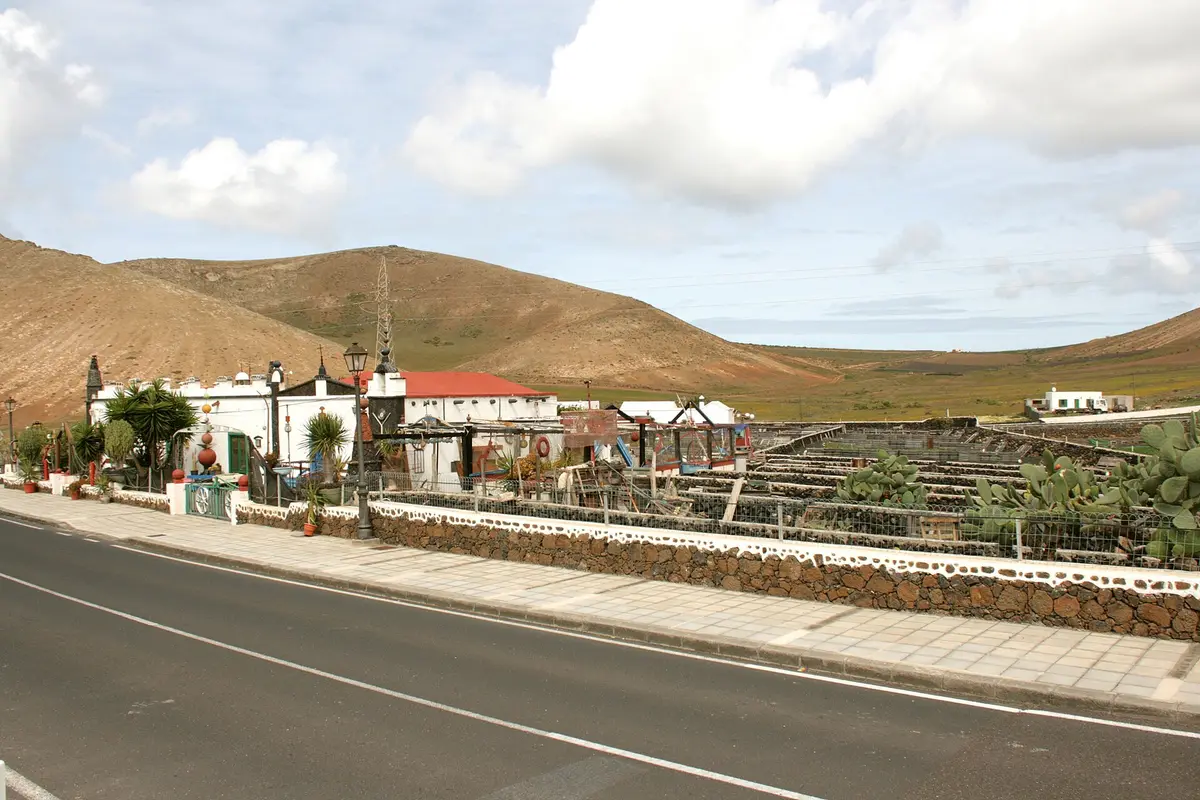
Tree-lined streets and a town hall mark Yaiza as a working village rather than a purpose-built visitor centre. Set in southwest Lanzarote, it gives its name to a municipality whose largest settlement is Playa Blanca. Visitors come for a village stop, the Christmas nativity display and access to Timanfaya National Park.
Yaiza is the administrative centre for the southern part of Lanzarote, but the village itself is much smaller than Playa Blanca. Its town hall, tree-lined streets and floodlit public football stadium are the concrete landmarks of a place with an everyday civic role. The distinction matters when planning a visit: Yaiza municipality covers considerably more than the village, including the southern half of Timanfaya National Park.
At Christmas, the large Belén gives visitors a more specific reason to stop. This nativity display extends beyond the biblical scene to include miniature versions of places around Lanzarote. Playa Blanca, Arrecife and Timanfaya appear in the model landscape, turning it into an island in miniature rather than simply a stable with figures.
Among the scenes is the caganer, a figurine of a young man defecating. Children and other visitors are encouraged to search for him, and spotting him is considered good luck. The display is seasonal, so it should not be the basis for a village visit outside Christmas.
The volcanic landscape around Yaiza has a history that explains why the village stands beside such altered terrain. In 1730, the ground opened along a fissure and lava poured from a line of volcanoes. The flows moved mostly northeast, sparing Yaiza while destroying villages and farmland elsewhere. Lava reached the sea and enlarged the island, then cooled into a black, barren plain.
Eruptions continued over the next six years, followed by another eruption in 1824. Tremors gave residents warning and there were no fatalities, but the loss of farmland drove much of the population to emigrate. These volcanic badlands became Timanfaya National Park in 1974, with further legal protection in 1994.
Yaiza is an access point for the park, not a substitute for visiting it. A guided coach tour provides explanations of the lava formations and craters; exploring beyond the main highway requires transport. For a separate outing just south of the village, El Lomo del Cura is a hill with a track that can be driven to the summit in a conventional car.
The LZ-2 connects Yaiza with Arrecife to the east and Playa Blanca to the south. From Arrecife, the village is 24 km away by the main highway. This places it on a through-route rather than at the end of a detour, useful if you want to include a village stop while travelling towards the south of Lanzarote.
Bus 60 links Arrecife, Yaiza and Playa Blanca. Bus 161 connects Arrecife Airport with Yaiza and Playa Blanca via Puerto del Carmen. The supermarket in the village centre is the main bus stop, a useful arrival landmark when you are looking for the village rather than the wider municipality. Current departure times need checking before travel, particularly at weekends.
Reaching Yaiza by bus does not solve transport for the surrounding volcanic country. A hired car gives you shelter from sun and wind and access beyond the main highway; a guided tour is another option for the national park. Yaiza has a hot desert climate, with annual rainfall of only 97.8 millimetres.
The principal visitor facilities for Timanfaya National Park are at Islote de Hilario, where César Manrique designed the visitor centre, shop, bar and restaurant. His involvement also extends to the park’s El Diablo mascot, drawn in 1968. The figure holds a pitchfork horizontally above his head, with its fork pointing left, his legs spread apart and his tail hanging down. The original drawing is inside the visitor centre; the same figure appears on the park entrance sign and souvenirs across Lanzarote.
A visit here involves more than simply driving out from Yaiza and parking. Cars are admitted gradually at the gate, and queues can extend back onto the through-road. There are no toilets or shelter at the gate, so a wait there is an exposed part of the journey rather than time spent exploring.
Tour buses pre-book and bypass that admission queue. A coach excursion is therefore a practical alternative to driving, although its programme may not allow time to eat at the El Diablo Restaurant.

Yaiza suits a village stop, especially at Christmas when its large Belén is on display. The town hall and tree-lined streets give it an everyday administrative character, rather than the scale of Playa Blanca. Its other main draw is practical: it is an access point for Timanfaya National Park.
Bus 60 serves Yaiza from Arrecife and Playa Blanca, while bus 161 links it with Arrecife Airport and Puerto del Carmen. The main stop is by the supermarket in the village centre. Check current departures before setting out, and arrange separate transport if your plans extend into the national park.
Yaiza’s Christmas display is a large Belén, or nativity scene, with miniature versions of places across Lanzarote. Alongside the nativity figures are scenes representing Playa Blanca, Arrecife and Timanfaya. Visitors are encouraged to find the caganer, a defecating figurine whose discovery is traditionally regarded as bringing good luck.
No, Yaiza and Playa Blanca are separate settlements within the municipality of Yaiza. The village gives the municipality its name and serves an administrative role, but Playa Blanca is its largest settlement. The LZ-2 connects them, with Playa Blanca lying to the south of Yaiza.
Keep going
Tour a landscape formed by historic eruptions, where underground heat still turns water into steam
Human figures, a refugee boat and marine growth turn the seabed into an underwater sculpture gallery
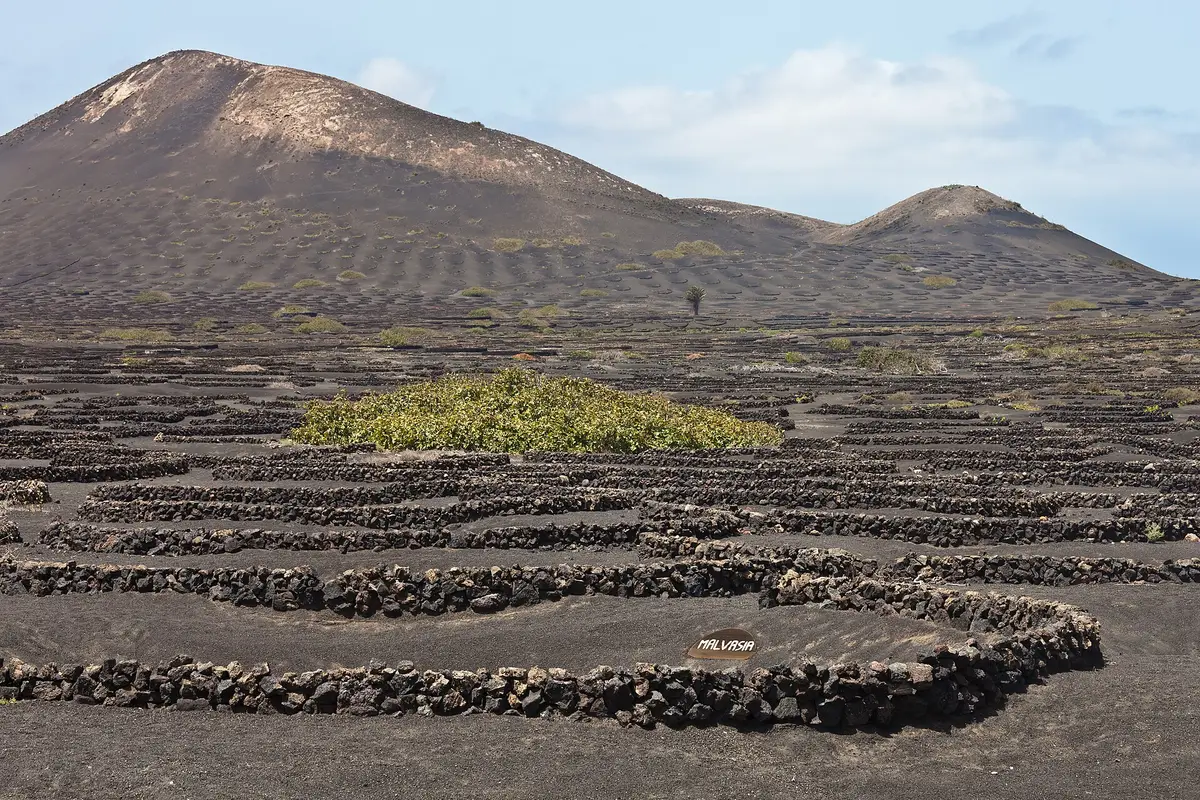
Vines grow in volcanic gravel, sheltered by conical hollows and low dry-stone walls