Landscape
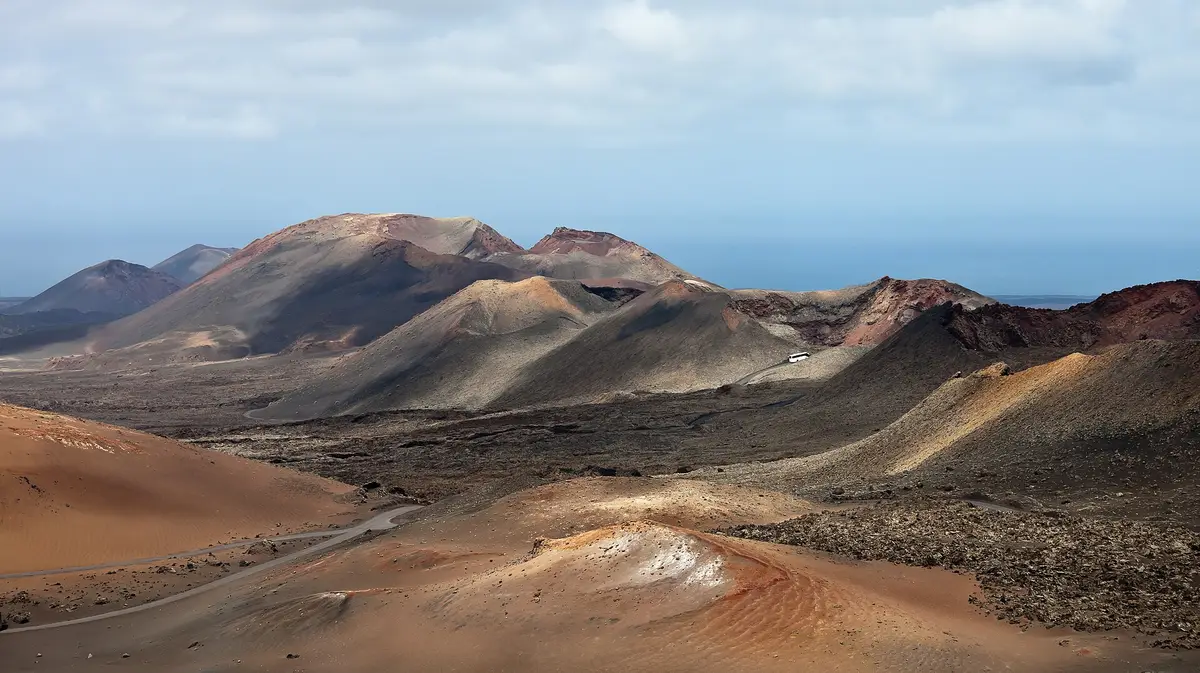
Timanfaya National Park
Tour a landscape formed by historic eruptions, where underground heat still turns water into steam
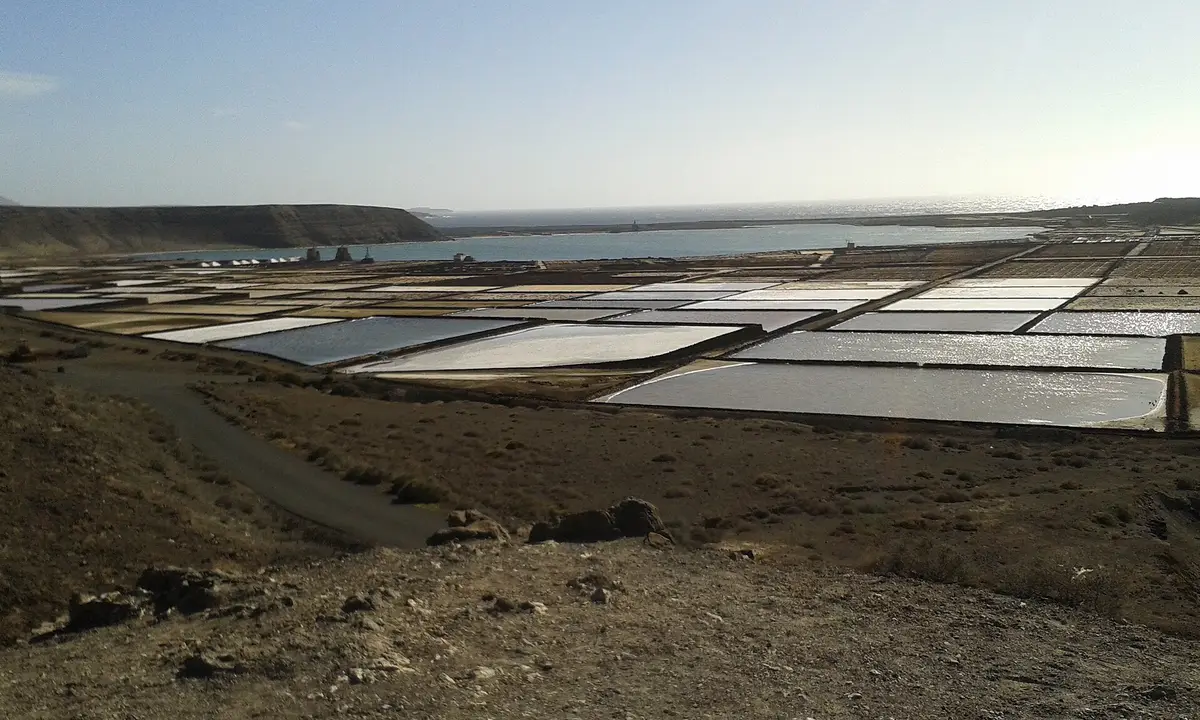
Across Salinas de Janubio, salt pans divide the edge of a volcanic lagoon into a constructed landscape of water and salt. These are Lanzarote's largest saltworks, still producing salt in the municipality of Yaiza. Visitors come for the scale of the workings, their reddish waters and the contrast between salt-making infrastructure and volcanic surroundings.
Planning a whole day from a base nearby? See things to do in Playa Blanca.
Volcanic eruptions created the setting for Salinas de Janubio. Lava formed a barrier between the sea and the lagoon, enclosing the water beside which the saltworks developed. The lagoon has a circumference of about 1000 metres and an average depth of about three metres. Together, the lava barrier, lagoon and salt pans explain the shape of the site: a natural enclosure adapted for salt production through an extensive system of basins and water management.
The reddish colour visible in the salt pans comes from living organisms, rather than the volcanic rock. A small red crustacean, artemia, contributes to it, as does the alga Dunaliella salina. Bacteria also add red tones, particularly when salinity is very high, while archaea inhabit the salty water too. The water is therefore more than a backdrop to the industrial structures: it supports organisms adapted to these saline conditions.
Migratory waterbirds also use the saltworks for refuge, nesting and laying eggs. The pans remain a working industrial landscape while providing habitat for wildlife.
Construction began in 1895 under Vicente Lleó Benlliure, who passed the saltworks to his nephew before their completion in 1945. The Padrón family continues salt production today, so the pans are not simply the remains of an abandoned industry. Their architecture and hydraulic systems belong to a process that still operates.
Salt from Janubio was closely tied to fishing and the industries that depended on it. Declining fishing activity, newer preservation methods and outside competition have since caused production to fall sharply. What survives is both an active business and physical evidence of an industry that helped preserve the island's catch before newer techniques reduced demand for salt.
The site's scale distinguishes it from other saltworks on Lanzarote: none covers a greater area. Across that expanse, the salt pans and the systems controlling their water are the main built features to look at. There is no need to separate the industrial history from the landscape here. The layout of the workings, the lagoon that supplies their setting and the continuing production of salt are all parts of the same place.
The salty water at Janubio supports life at very different scales. Migratory waterbirds use the site as a refuge and a place to nest and lay eggs. Much smaller organisms account for the reddish tones in the pans, making the water itself one of the most distinctive things to examine during a visit.
Artemia, a small red crustacean, contributes colour alongside the alga Dunaliella salina. The bacteria H. salinarum and H. halobium also contribute, especially at very high salinity. Archaea are present in these waters too. The red is therefore biological, not simply a reflection of the surrounding volcanic landscape.
This ecological role exists alongside continuing salt production. The pans are managed industrial waters rather than an untouched lagoon, yet birds use them for shelter and breeding. Looking across the site brings these uses together: the architecture of salt-making, water whose colour reflects its microscopic inhabitants, and habitat used by migratory birds. These relationships help explain why Janubio has scientific as well as industrial and landscape interest.
Janubio's distinction among Lanzarote's saltworks is its extent: it is the largest on the island. The attraction is consequently spread across a working landscape rather than concentrated in a single building. Salt pans, the lagoon and the infrastructure used to manage water form the substance of the place.
Its history also separates it from an abandoned industrial ruin. Work began in 1895, continued through to completion in 1945, and salt production remains active under the Padrón family. Reduced output has not removed the site's original purpose, even though the fishing industry and demand for traditionally produced salt have changed.
For a visitor, the concrete interest lies in seeing how a volcanic coastal enclosure became an extensive salt-making system. The lava barrier explains the lagoon; the saltworks show how that setting was adapted for production. Their continued use adds another layer to the view, while the organisms in the water and the migratory birds demonstrate that industrial infrastructure and wildlife habitat can occupy the same ground.

.jpg)
Salinas de Janubio are in the municipality of Yaiza, in south-west Lanzarote. The saltworks occupy a setting beside a lagoon that formed when volcanic lava created a barrier against the sea. This is an extensive working salt-producing landscape, rather than a salt-making exhibit inside a museum.
Yes, the Padrón family still produces salt at Salinas de Janubio. Construction began in 1895 and was completed in 1945. Production has declined sharply as fishing activity fell, preservation techniques changed and outside competition increased, but the saltworks retain their original industrial purpose rather than surviving only as historic remains.
The red tones come from organisms living in the salty water, including artemia and the alga Dunaliella salina. Bacteria contribute to the colour too, especially at very high salinity. The effect is biological, not a colour imparted by the lava that formed the barrier around the lagoon.
Construction of Salinas de Janubio began in 1895 and was completed in 1945. Vicente Lleó Benlliure started the project and passed it to his nephew before completion. The Padrón family continues the salt-making activity today, making this an operating industrial landscape with a history extending well beyond its construction period.
Keep going
Tour a landscape formed by historic eruptions, where underground heat still turns water into steam
Human figures, a refugee boat and marine growth turn the seabed into an underwater sculpture gallery
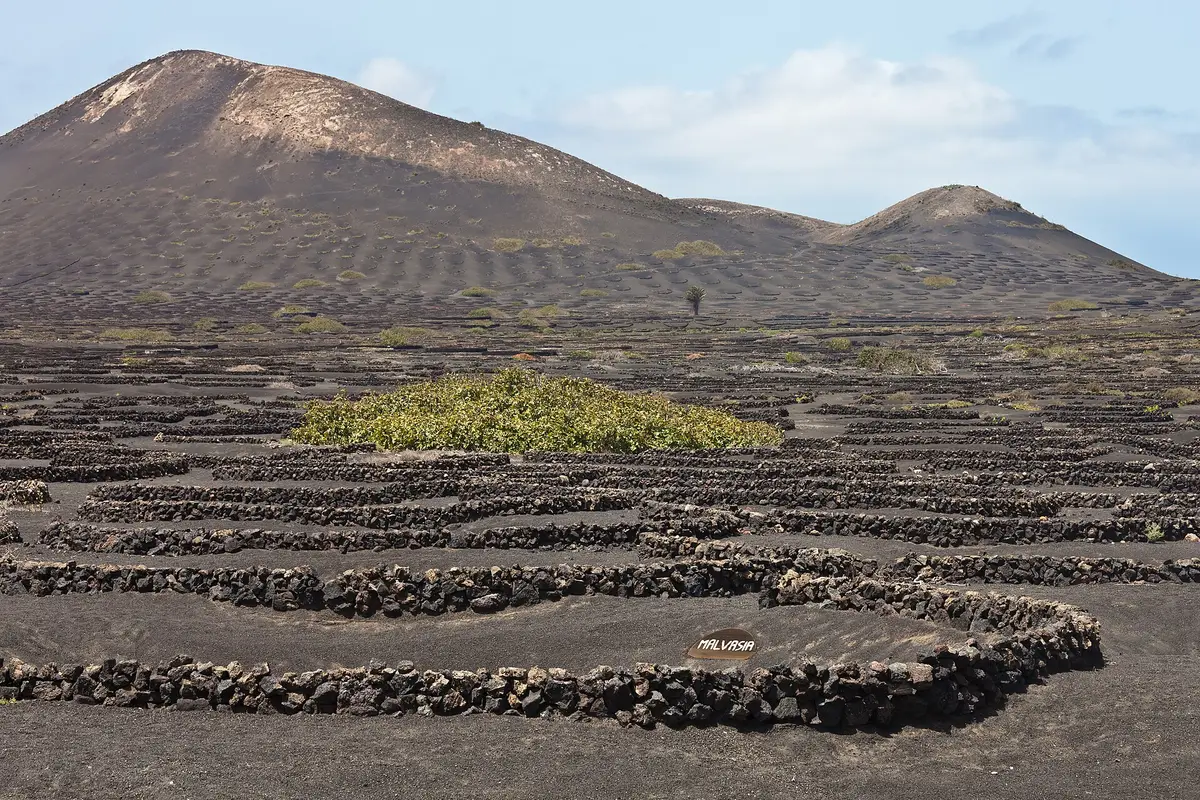
Vines grow in volcanic gravel, sheltered by conical hollows and low dry-stone walls