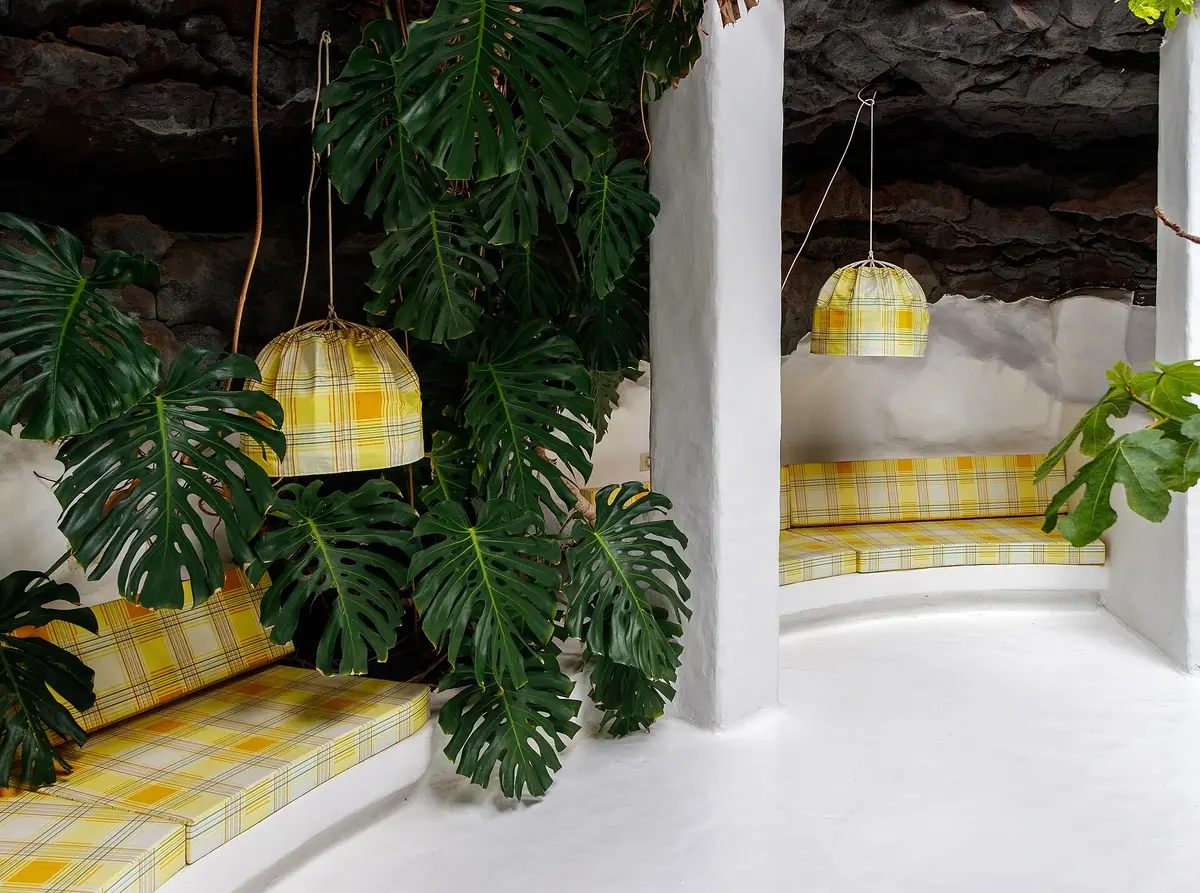
César Manrique's influence on Lanzarote extended from painting to buildings and campaigns against high-rise hotels. Fundación César Manrique continues his advocacy for natural conservation. For travellers interested in the artist behind Mirador del Río and Jardín de Cactus, the foundation connects his architectural legacy with the protection of the island's landscape and character.
Planning a whole day from a base nearby? See things to do in Arrecife.
The artist before the buildings
Manrique was born in Arrecife, and his family's house in Caleta de Famara left a strong impression on him. As a child, he observed patterns in stones and the movement of insects, and drew frequently. He began working as a painter in 1939 after returning from the civil war. His first solo exhibition took place in Arrecife in 1942, and his early exhibitions combined more traditional paintings inspired by Lanzarote's geography with fantastical or abstract scenes. His later work contributed to Spanish informalism and abstract art. By the late 1950s, he was moving away from bright colours towards an emphasis on materials. His interests also spread beyond painting: he designed lamps, chairs and ceramics for his home. These are useful specifics behind the familiar description of Manrique as an artist and architect. His work with buildings followed a career already concerned with landscape, texture, domestic objects and the possibilities of working beyond a canvas.
Architecture and conservation
From the 1960s to the 1990s, Manrique developed architectural projects on Lanzarote intended to support tourism while respecting the island's landscape and character. Mirador del Río shows that approach in built form: its heavy stone covering conceals a viewpoint, café and vaulted rooms within the escarpment. At Jardín de Cactus, a former quarry became a terraced garden rather than having its excavated form erased. His conservation work also reached beyond individual projects. He argued for the preservation of Lanzarote's natural landscape and traditional architectural principles, and successfully campaigned for regulation against high-rise hotels. He continued designing structures closely connected to their natural settings until his death in 1992. Fundación César Manrique carries that environmental advocacy forward today. The foundation's continuing conservation role is an important distinction: Manrique's legacy is not limited to completed attractions or his career as a painter, but includes an ongoing concern with how development affects the island.
From painting to other forms
Manrique's career did not begin with visitor attractions. His early solo exhibitions mixed paintings drawn from Lanzarote's geography with more fantastical and abstract scenes, and that combination remained part of his exhibition format until 1957. During the 1950s, his painting changed substantially. He used colour and form more freely, adopted intentionally child-like linework and later placed greater emphasis on materials rather than bright colour. His work contributed to Spanish informalism and abstract art, and other artists acknowledged his influence. At home, he also worked with objects, designing lamps, chairs and ceramics alongside displaying art. These activities help explain the breadth of his later practice without reducing it to architecture alone. The same career included paintings, furnishings and buildings, with different materials and settings taking the place of a single fixed medium. For a traveller familiar mainly with his Lanzarote projects, this earlier work establishes that the buildings followed an already developed artistic practice.
A legacy across Lanzarote
Manrique's lasting influence can be traced through both completed projects and his campaign for limits on development. Mirador del Río and Jardín de Cactus offer concrete examples of buildings and designed landscapes that use an existing setting rather than treating it as something to remove. The viewpoint is covered with stone and integrated into lava rock; the garden keeps the former quarry's amphitheatre form and arranges its planting on terraces. His activism addressed the island at a broader level, particularly through opposition to high-rise hotels and support for traditional architectural principles. Those concerns placed tourism and conservation in the same debate rather than treating them as separate subjects. Fundación César Manrique continues to advocate for natural conservation in the region, carrying forward that part of his work. The foundation's significance therefore lies not only in its connection with a recognised artist, but also in the continuing relevance of his position on how Lanzarote should develop.
What to look for
- See Manrique's rock-integrated architecture at Mirador del Río
- Explore his former-quarry garden at Jardín de Cactus
- Look for the stone covering that conceals Mirador del Río
- Compare the terraced quarry garden with the outward-facing viewpoint
- Trace the connection between Manrique's landscape interests and his buildings
Fundación César Manrique in photographs


Questions about Fundación César Manrique
What is Fundación César Manrique?
Fundación César Manrique is the foundation that continues the Lanzarote artist's advocacy for natural conservation. Manrique was a painter, architect and environmental campaigner whose projects sought to accommodate tourism without disregarding the island's landscape. His legacy includes distinctive visitor attractions as well as successful campaigning for regulation against high-rise hotels.
Which César Manrique attractions should I compare?
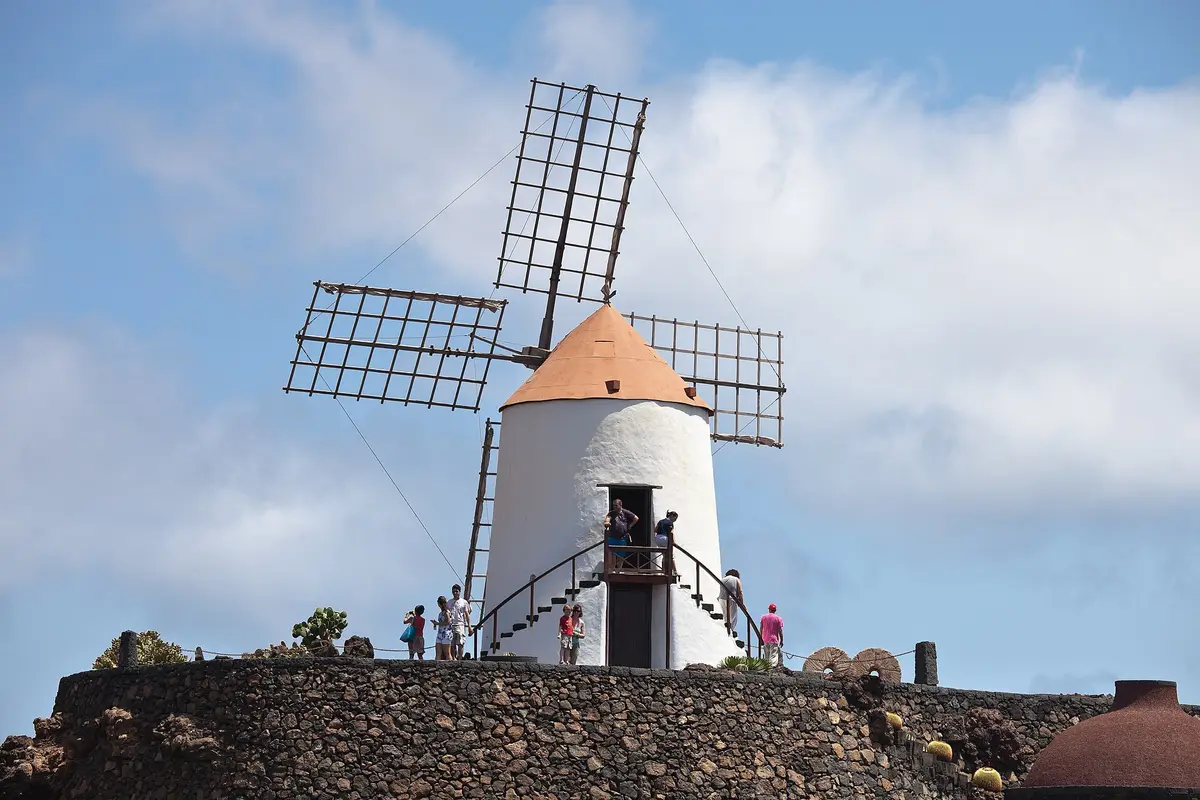
Mirador del Río and Jardín de Cactus offer a clear comparison of Manrique's work with existing landscapes. The viewpoint conceals vaulted rooms and a café beneath stone, directing attention towards La Graciosa. The garden occupies a former quarry, using terraces to arrange cacti and succulents below a restored windmill. Their settings shape both designs.
Was César Manrique a painter or an architect?
César Manrique was both a painter and an architect, as well as a nature activist. He began working as a painter in 1939 and contributed to Spanish informalism and abstract art. His later architectural projects on Lanzarote were designed to support tourism while respecting the island's landscape and traditional character.
What did César Manrique do for conservation?
Manrique campaigned to protect Lanzarote's natural landscape and traditional architectural principles, successfully pressing for regulation against high-rise hotels. His own architectural projects also sought to accommodate tourism while respecting their surroundings. Fundación César Manrique continues his advocacy for natural conservation, extending that environmental work beyond the buildings and gardens completed during his lifetime.
Keep going
Close to here
Museum
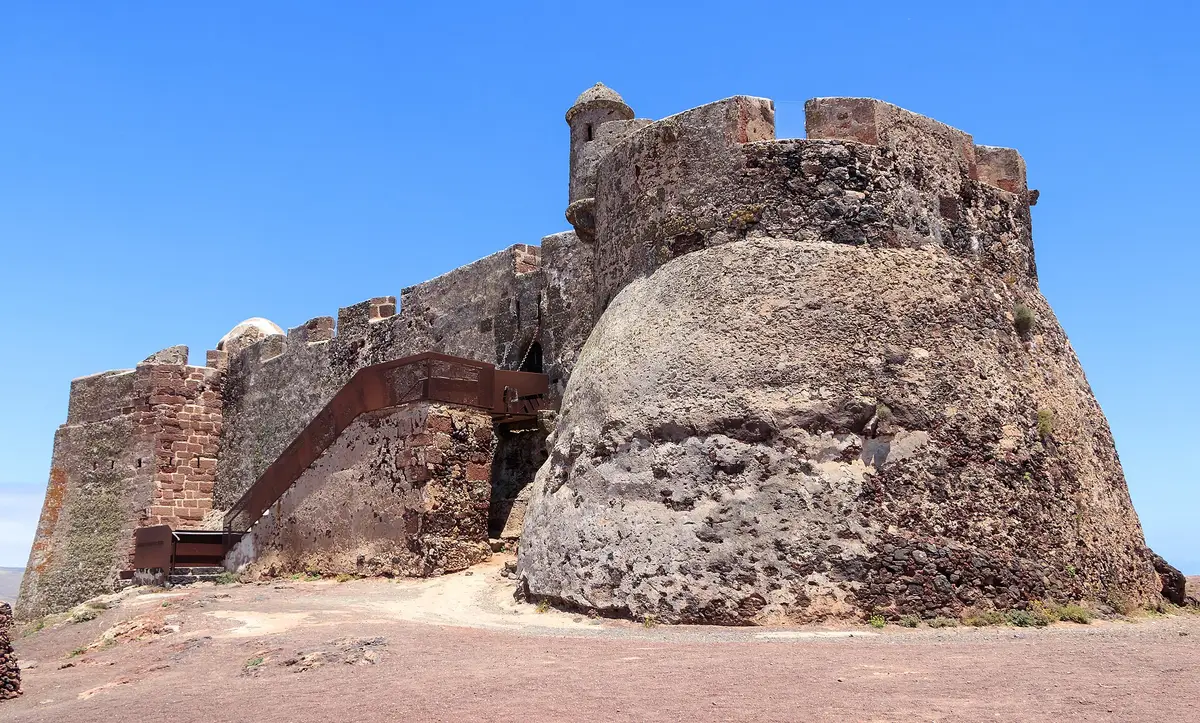
Castillo de Santa Bárbara
A fortress on Guanapay volcano’s crater edge, built to shelter Teguise’s inhabitants and now housing the Piracy Museum
With children
Lanzarote Aquarium
Sharks, local marine life and touch tanks, alongside a display showing the effects of coastal pollution