Museum
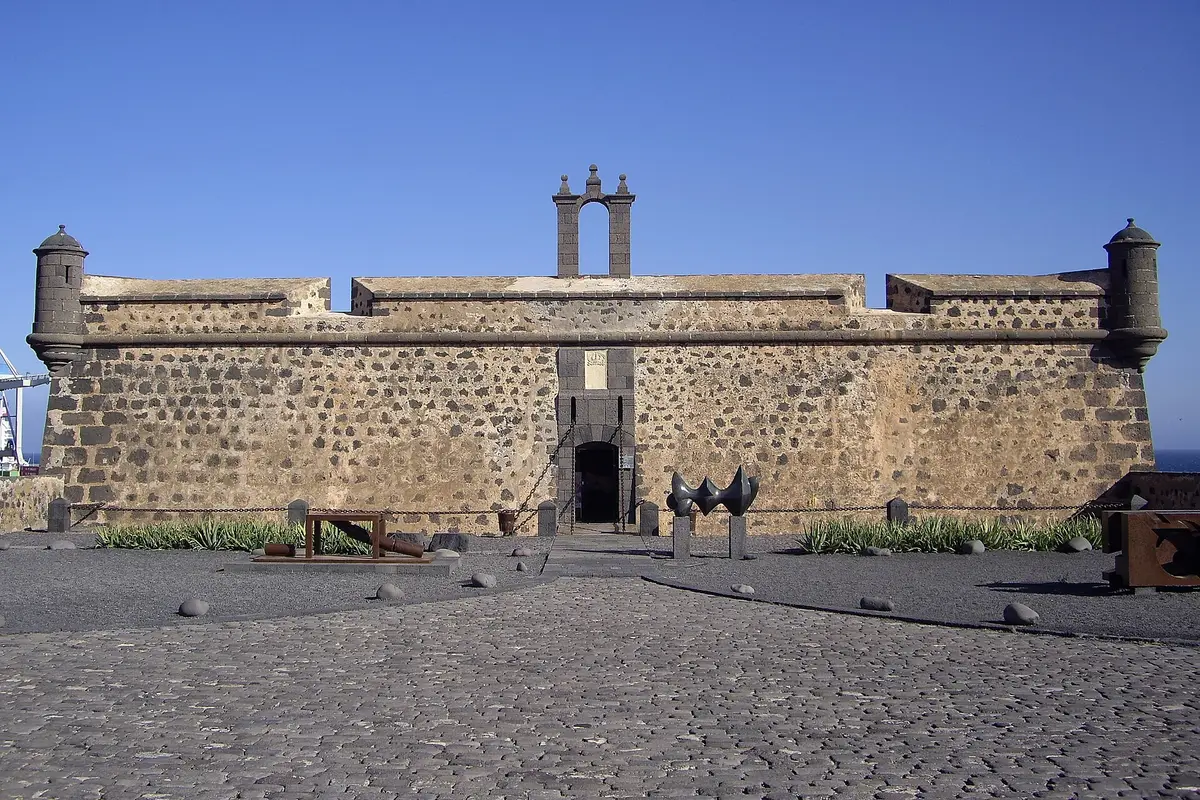
Castillo de San José
Contemporary art, vaulted stone rooms and harbour views inside Arrecife’s coastal fortress
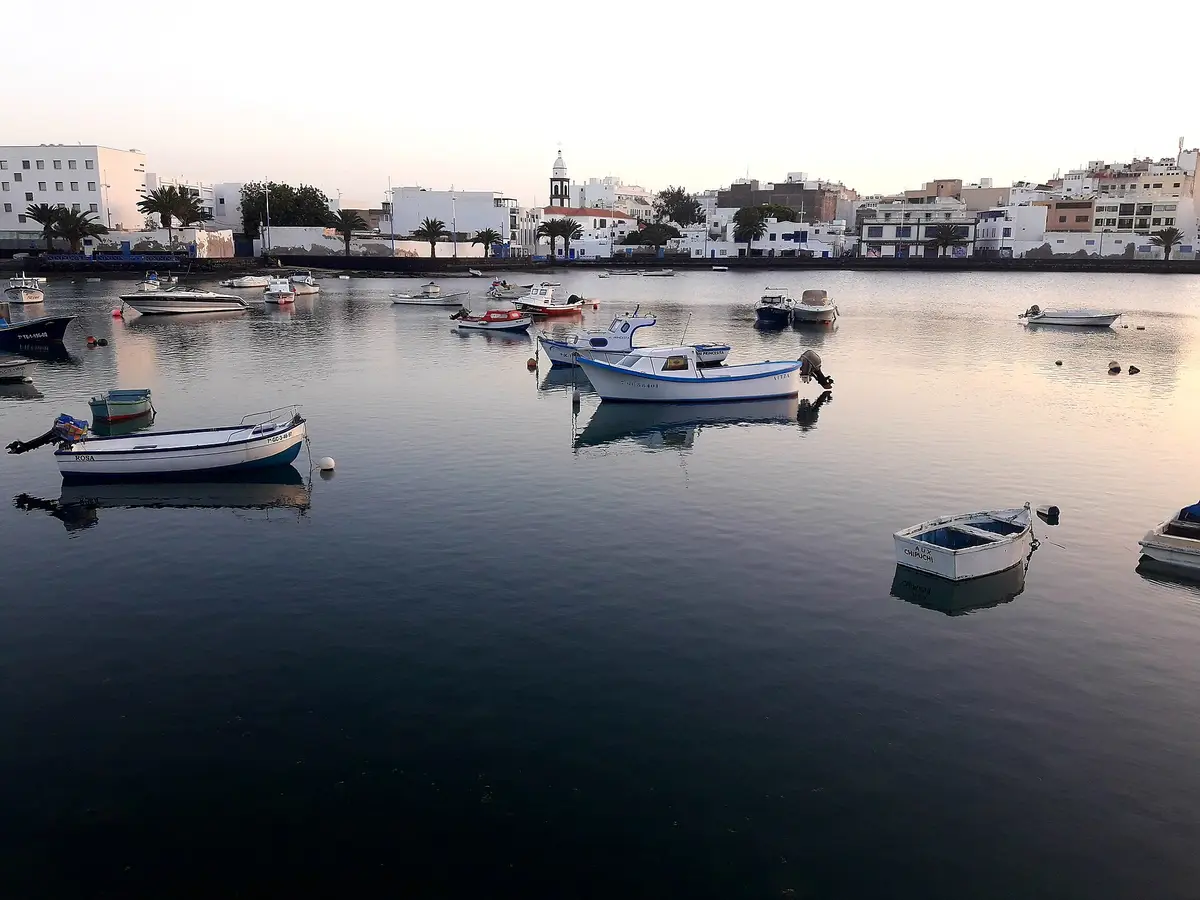
Behind Arrecife's seafront is Lanzarote's commercial and administrative centre, rather than a town organised around beach holidays. Visitors come for the fishing boats on Charco de San Ginés, the coastal castles and the modern art inside Castillo de San José. Playa Reducto adds a beach to a day spent exploring the capital.
Arrecife takes its name from the black volcanic reefs along its coast. These rocks acted as a natural breakwater: larger ships could not pass, while small boats could shelter behind them. The earliest records describe a fishing settlement in the fifteenth century, and the connection with fishing remains visible at Charco de San Ginés, a man-made lagoon used by fishermen.
Trade brought growth towards the end of the sixteenth century, when accommodation and warehouses were needed to serve ships travelling between Spain and its colonies in the Americas. Prosperity also attracted attacks. In 1571, the pirate Dogan plundered and almost destroyed the settlement.
Arrecife gained city status in 1812 and replaced Teguise as Lanzarote's capital in 1852. Today, its role extends well beyond tourism. The Port of Arrecife handles ferries, cruise ships, cargo and fishing vessels, making the waterfront part of a working city. In 1964, Arrecife also became the site of Lanzarote's first sea-water desalination plant, another part of its practical importance to the island.
Puente de Las Bolas leads to Castillo de San Gabriel, the fortress built on an islet at the end of the sixteenth century. The bridge and the castle's position offshore make the relationship between the town and its coastal defences easy to see. This is a distinct stop from Castillo de San José, which stands towards the port and now houses a collection of modern art.
Built around 1770, Castillo de San José combines an eighteenth-century military building with a different use today. It is the place to choose if you want to spend part of your Arrecife visit looking at art rather than only walking the waterfront. A bus towards Costa Teguise along C Los Marmoles serves the museum.
Back in the town, Iglesia de San Ginés stands on the site of a seventeenth-century chapel. Its tower was added in 1842. Despite being in the island's capital, it is a parish church, not a cathedral. The church and both castles are registered cultural-interest properties.
Playa Reducto is Arrecife's town beach, allowing a visit to include time by the water without leaving the capital. Along the seafront beside the harbour stands the Arrecife Gran Hotel, the tallest building on Lanzarote. It is a conspicuous contrast to the low coastal fortresses and a useful landmark when walking beside the sea.
Walking will get you to most places in the centre. The beach, lagoon and bridge to Castillo de San Gabriel provide the main waterfront stops; Castillo de San José calls for a separate journey towards the port if you prefer not to cover it on foot. Arrecife has limited tourist sights compared with its wider commercial role, so the interest lies partly in seeing an island capital carrying on its daily business.
The Intercambiador de Guaguas is on the western side of town beside the beach. If arriving from Puerto del Carmen, walking into the centre from this interchange can be as quick as continuing to the main bus station. That main station, Estación de Guaguas, has connections across Lanzarote.
Arrecife Airport is 5 km west of the city, with buses and taxis connecting it to town. Bus 22 serves the airport journey on weekdays, while Bus 23 provides the weekend and public-holiday service. There are also direct airport buses to several coastal destinations, so travelling into Arrecife is not necessary if your accommodation is elsewhere.
For a visit from Costa Teguise, the listed connections include buses 1, 3 and 25. Services from around the island use Estación de Guaguas, while the western interchange can be more convenient for the beach. Timetables need checking before travel, particularly when planning the return journey.
Drivers approach a city rather than a resort: the LZ1 connects Arrecife with the northeast of Lanzarote, the LZ2 with the southwest, and the LZ3 forms its beltway. Arrival by sea brings a different approach. Arrecife Port is on the eastern edge of the city, and passengers should not assume that stepping off a ship puts them beside the central sights.
_Espa%C3%B1a.jpg)
Arrecife is worth visiting for its fishing lagoon, coastal castles and modern art, rather than a long list of attractions. It is Lanzarote's working capital, with shops, administration and port activity alongside the waterfront sights. It makes a useful contrast to a beach-resort stay in Puerto del Carmen, Playa Blanca or Costa Teguise.
Most central places in Arrecife can be reached on foot. A waterfront visit can take in Playa Reducto, Charco de San Ginés and the bridge to Castillo de San Gabriel. Castillo de San José is a separate stop towards the port; buses heading towards Costa Teguise along C Los Marmoles are an alternative to walking there.
Yes, Playa Reducto is Arrecife's town beach. It sits on the western side of the central waterfront, close to the Intercambiador de Guaguas bus interchange. That makes it straightforward to combine beach time with a walk into town, rather than treating the coast and the capital's sights as separate outings.
Buses and taxis connect Arrecife Airport with the city, which is 5 km to its east. Bus 22 runs on weekdays and Bus 23 serves weekends and public holidays. Check the current timetable before travelling. Direct airport buses also serve destinations including Puerto del Carmen and Playa Blanca, without requiring a journey into the capital.
Keep going
Contemporary art, vaulted stone rooms and harbour views inside Arrecife’s coastal fortress
Tour a landscape formed by historic eruptions, where underground heat still turns water into steam
A subterranean salt lake and lava openings form the setting for César Manrique's cultural centre