Island capital
Arrecife
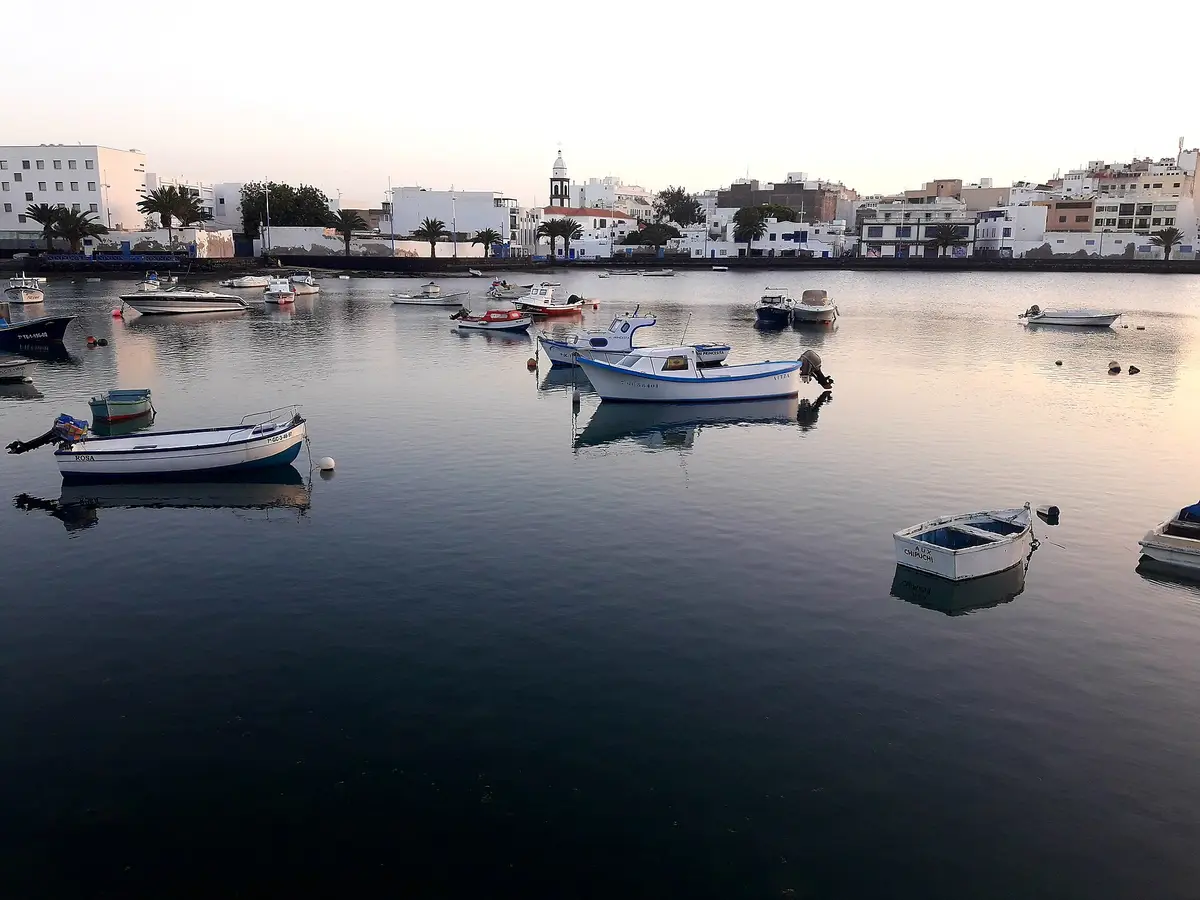
Lanzarote's working capital has a fishing lagoon, coastal fortresses, modern art and a town beach
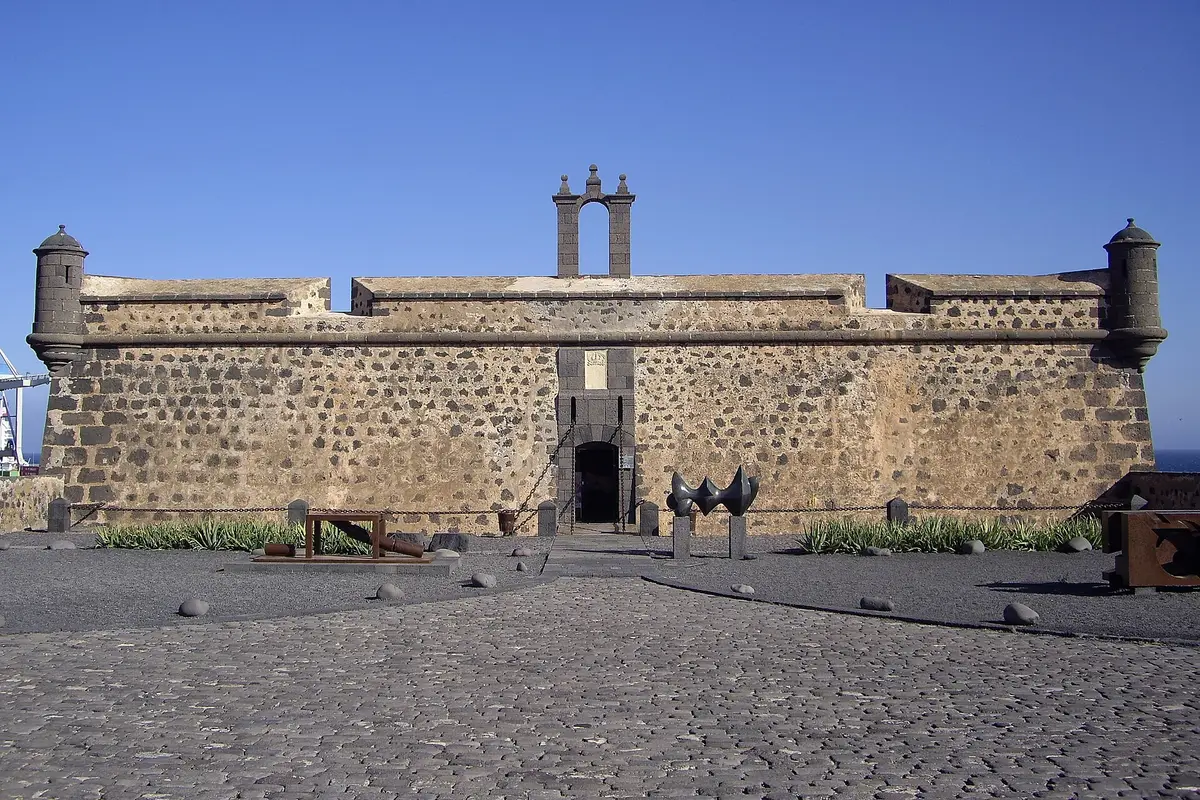
Above the harbour in Arrecife, Castillo de San José combines a defensive stone fortress with a contemporary art museum. César Manrique helped bring the disused building into cultural use, adding another chapter to its military history. A visit brings together paintings and sculpture, enclosed vaulted rooms and views towards the working waterfront.
Planning a whole day from a base nearby? See things to do in Arrecife.
Castillo de San José was built on the orders of the Spanish crown to strengthen the defence of Arrecife’s harbour. Its construction also provided employment during a period of hardship on Lanzarote, giving rise to its association with hunger relief. The building’s thick stone walls, compact outline and position above the water belong to that defensive role, rather than to its later life as an art museum.
The approach leads across a drawbridge to an entrance cut into the heavy masonry. Inside, vaulted ceilings and exposed stone keep the fortress visibly present around the exhibits. These are not neutral, purpose-built gallery rooms: the curved ceilings and substantial walls shape the spaces in which the art is displayed.
After its military use ended, the castle fell out of use before César Manrique championed its restoration and conversion. The result retains the old defensive shell while giving its enclosed rooms a public purpose quite different from the one for which they were built.
The museum presents contemporary painting and sculpture within the fortress. The contrast is immediate: modern works occupy rooms whose rough stonework and vaulted roofs remain prominent. Looking around involves moving between these enclosed spaces, with the architecture sharing attention with the collection. This is an art museum housed in a castle, not principally an exhibition of weapons or military equipment.
Manrique’s involvement extended beyond finding a new use for the building. The restaurant below the galleries introduces a different architectural character, with broad glazing directed towards the harbour. After the weight and enclosure of the exhibition rooms, this outward-facing space makes the waterfront part of the experience. The view is of a working port rather than a beach frontage.
For travellers choosing between this museum and Fundación César Manrique, the distinction is the focus. Castillo de San José brings contemporary art into a historic military building; Fundación César Manrique is more directly concerned with Manrique’s own work and domestic surroundings. They offer related, but different, encounters with art and architecture on Lanzarote.
The castle gives an Arrecife outing a clear indoor focus. Its main elements are close together: the entrance and defensive exterior, the vaulted exhibition rooms, and the restaurant overlooking the port. The building itself remains a substantial part of the visit even for someone whose interest in contemporary art is limited. Its former purpose is visible in the walls and entrance, rather than dependent on an extensive military display.
A visit centred on the collection will feel different from one centred on the architecture. Paintings and sculpture call for time in the enclosed galleries; the exterior and waterfront-facing restaurant reveal the relationship between the fortress and its coastal setting. Neither aspect requires treating the castle as a large archaeological site or an outdoor walking excursion.
The restaurant is a separate reason to consider the building, but it should not be confused with the museum collection. Anyone planning around a meal should confirm restaurant availability independently of museum admission, rather than assuming that access to the galleries guarantees a table.
Castillo de San José suits travellers who want art and historic architecture in the same stop. The fortress is not merely a backdrop: its masonry, entrance and vaulted interiors give the galleries their particular character. Equally, the presence of contemporary work means that a visit is not confined to the castle’s defensive history.
Its setting also distinguishes it from an attraction whose main draw is a volcanic landscape. Here the surrounding scene is Arrecife’s waterfront, with the port visible from the restaurant. The castle belongs to the island’s built and cultural history, rather than offering an encounter with craters, caves or cultivated ground.
For an itinerary already including Fundación César Manrique, there is some continuity through Manrique’s role in adapting the building. The emphasis nevertheless changes from his own surroundings to a public museum within an older structure. That makes the castle a reasonable addition for visitors interested in how existing buildings have been reused on Lanzarote, rather than simply another stop devoted to the same artist.


Castillo de San José houses a contemporary art museum and a restaurant. Paintings and sculpture are displayed in the fortress’s vaulted stone rooms, so the historic building remains a prominent part of the visit. The restaurant offers a contrasting space, with broad windows facing the harbour in Arrecife.
No, its main museum function is contemporary art, although the building began as a coastal fortress. The thick masonry, drawbridge entrance and vaulted interiors preserve its defensive character. Visitors chiefly interested in military history should expect to see the historic structure rather than assume there is an extensive collection of weapons or military exhibits.
Choose Castillo de San José for contemporary art within a historic fortress, and Fundación César Manrique for a closer focus on Manrique himself. His involvement links the attractions, but they are not interchangeable. The castle combines gallery rooms, military architecture and a harbour-facing restaurant rather than presenting his former domestic setting.
Castillo de San José is in Arrecife, overlooking the harbour on Lanzarote. Its waterfront position reflects the building’s original defensive purpose. Today that same setting is part of its appeal as an art museum, especially where the restaurant’s broad glazing opens the view towards the working port.
Keep going
Lanzarote's working capital has a fishing lagoon, coastal fortresses, modern art and a town beach
Tour a landscape formed by historic eruptions, where underground heat still turns water into steam
A subterranean salt lake and lava openings form the setting for César Manrique's cultural centre