Landscape
Timanfaya National Park
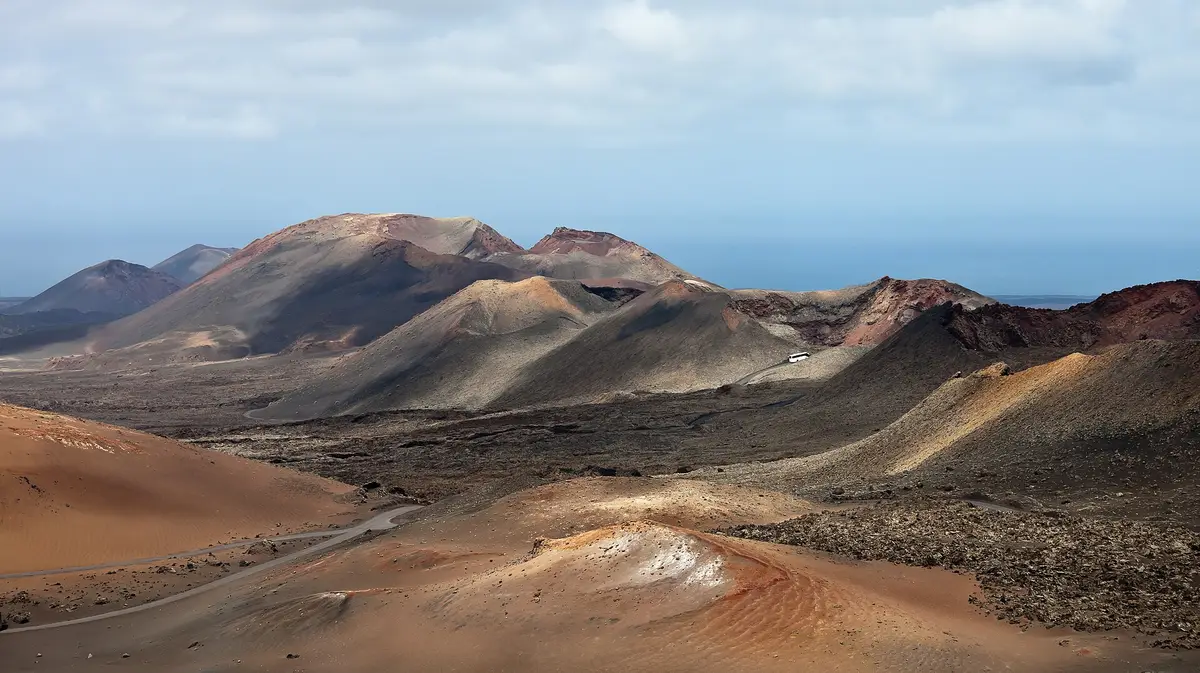
Tour a landscape formed by historic eruptions, where underground heat still turns water into steam
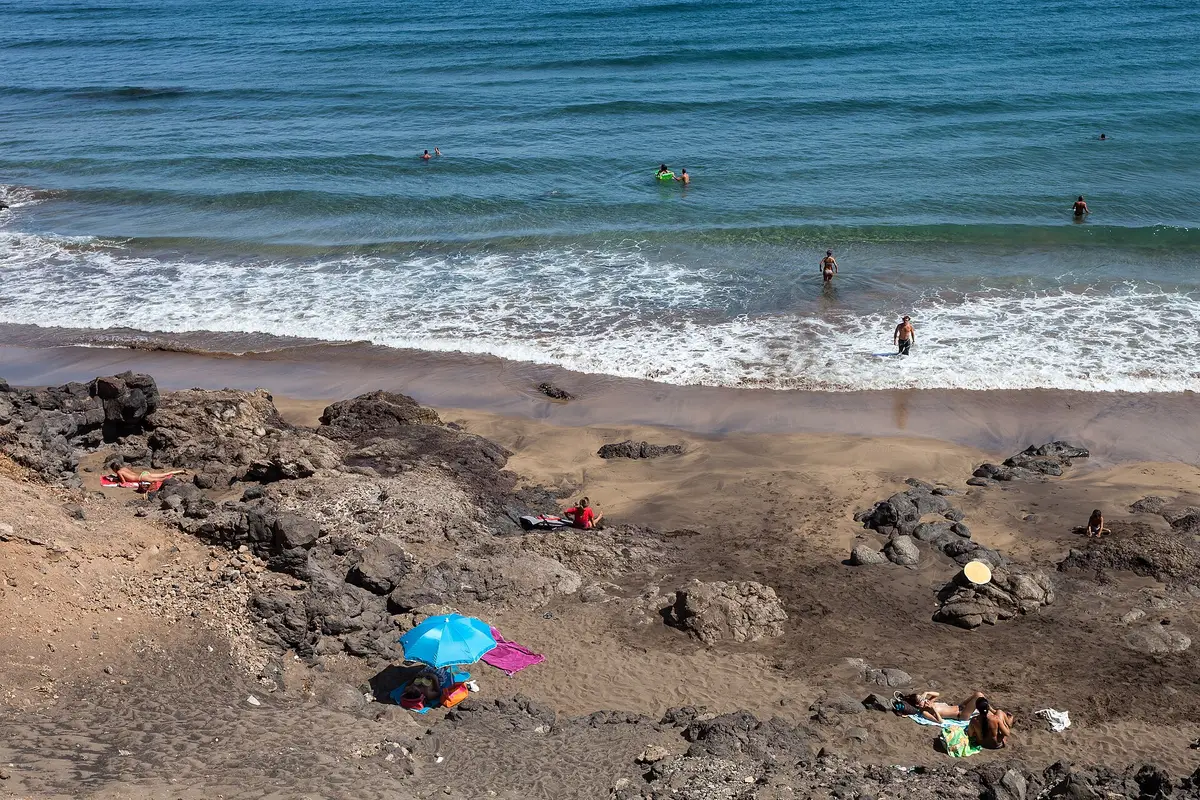
Long sandy beaches account for much of Puerto del Carmen's appeal, but the old fishing harbour gives Lanzarote's main resort a distinct western end. Part of the municipality of Tías, the town combines a restaurant-lined seafront with diving centres, tourist shops and accommodation climbing the slopes behind. People come primarily for beach holidays, with plenty within walking distance along the coast.
Whitewashed, low-rise buildings surround the Old Town Harbour, where docks and restaurant terraces face the water. A large car park also occupies part of the historic core: this is a working resort centre rather than an untouched fishing village. From the terraces, the view takes in the harbour, sea and distant volcanic peaks.
The settlement appeared on maps as Tiñosa in the 16th century. Leonardo Torriani recorded its natural port in 1591, and trade later included barrels. Declared a Port of General Interest in 1900, it lost that status to Arrecife in 1928 as shipping needed better docks. In 1904, the village had 194 inhabitants, mainly engaged in fishing. The name Puerto del Carmen followed in 1957, in honour of Nuestra Señora del Carmen.
Tourism gathered pace after Hotel los Fariones opened in 1967, followed by mass tourism in the 1970s. Above the old centre, Biosfera Shopping Centre shows another side of that development: a small mall built into a cavity in volcanic rock, with fashion shops, bars and restaurants. Its cut-into-the-rock setting contrasts with the open harbour below.
Avenida de las Playas runs along the coast with beaches on the seaward side and restaurants, bars and shops opposite. The concentration of places to eat and drink makes the promenade the town's main holiday thoroughfare. Shopping here is largely tourist-oriented, and the evening offer includes clubs that continue into the early hours.
Playa Grande is the main beach, stretching for 800 m east from Hotel Fariones. Long stretches of sand are relatively unusual on Lanzarote, and this southern coastline is more sheltered than the exposed north- and west-facing shores. That is a useful distinction for a beach-based stay, although shelter does not guarantee calm swimming conditions.
Closer to the harbour, Playa Chica is a small sandy beach enclosed by arms of rock. It lies 500 m east of the harbour and has a strong connection with the town's diving scene. Farther east, Playa de los Pocillos is broad and a kilometre long. The beaches share the resort frontage, but their scale differs considerably: Playa Chica is a compact cove, while the larger beaches spread the seafront activity along the coast.
Scuba diving is a substantial part of Puerto del Carmen's outdoor activity scene, rather than an occasional excursion. Numerous dive centres offer training, equipment hire and guided dives, with both shore and boat departures available. Playa Chica is the main named starting point in the old-town area, with over 10 dive sites associated with it.
Diving takes place throughout the year. Water temperatures range from 19 °C in winter to 23 °C in summer, while underwater visibility commonly reaches 25 to 30 metres. Those figures describe the general conditions, not a promise for an individual outing; the choice of dive still depends on experience and conditions on the day. Anyone arranging a session can discuss training, equipment and the departure point directly with a centre.
For an outing on land, the coastal walk west to Puerto Calero is 4 km. Stout shoes and sun protection are appropriate for this route, which takes you beyond the restaurant-lined resort frontage. There is a bus option for the return, so the walk need not become an out-and-back journey.
From the airport or Arrecife, the driving approach follows LZ-2 west before branching onto LZ-40. Bus 161 links the airport with the hotel strip and continues towards Puerto Calero, Yaiza and Playa Blanca. Bus 6 connects Arrecife with the resort, while bus 3 comes from Costa Teguise via Arrecife. Services run along the strip towards the harbour; checking current departures is sensible before planning a connection.
Within Puerto del Carmen, the distinction between seafront and inland accommodation matters. The resort follows the coast for several kilometres, but the ground rises steeply behind it. Apartments, villas and hotels extend up these slopes, with buildings giving way to dry, dark hills roughly a kilometre inland. A property described as close to the beach may still involve an uphill return.
For travellers with restricted mobility, the gradient of the actual approach deserves particular attention. Buses 3 and 161 run along the town, offering an alternative to walking the full frontage. Car, electric-bike and moped rental outlets provide other ways to get around.

Puerto del Carmen is Lanzarote's main tourist resort, with sandy beaches, a long commercial seafront and an older harbour area. Restaurants, bars, shops and holiday accommodation dominate the town. It suits a beach-based holiday with services nearby, rather than a stay in a small village; the harbour provides a different setting from the main strip.
Bus 161 connects the airport with Puerto del Carmen's hotel strip. By car, the approach follows LZ-2 west and then LZ-40. The resort extends along the coast, so the most useful stop or arrival point depends on your accommodation. Check current bus departures and the route from the stop, particularly if your property is uphill.
Yes, the land rises steeply behind the coastal strip, and some accommodation involves an uphill walk from the beach. The seafront and the streets inland can therefore feel quite different on foot. Travellers with restricted mobility should check the gradient of the approach to their accommodation, not simply how close it is to the coast.
Playa Grande, Playa Chica and Playa de los Pocillos are among Puerto del Carmen's beaches. Playa Grande is the main sandy beach, while Playa Chica is a smaller, rock-sheltered cove near the old harbour and a focus for diving. Playa de los Pocillos is a broad beach farther east along the resort.
Keep going
Tour a landscape formed by historic eruptions, where underground heat still turns water into steam
A subterranean salt lake and lava openings form the setting for César Manrique's cultural centre
Enter a drained lava tube with illuminated cave walls and a concert hall near its entrance