Beach
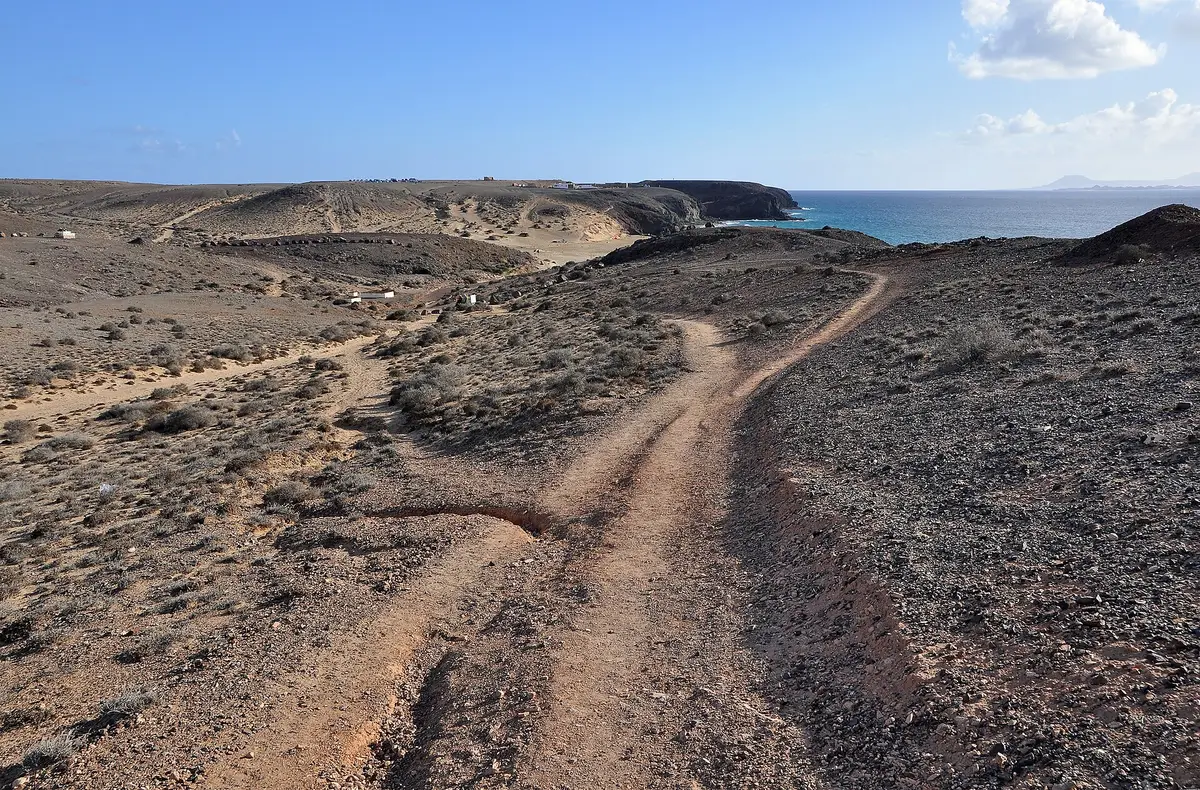
Playas de Papagayo
Sandy coves divided by high cliffs, reached by dirt road or a coastal walk from Playa Blanca
7 places
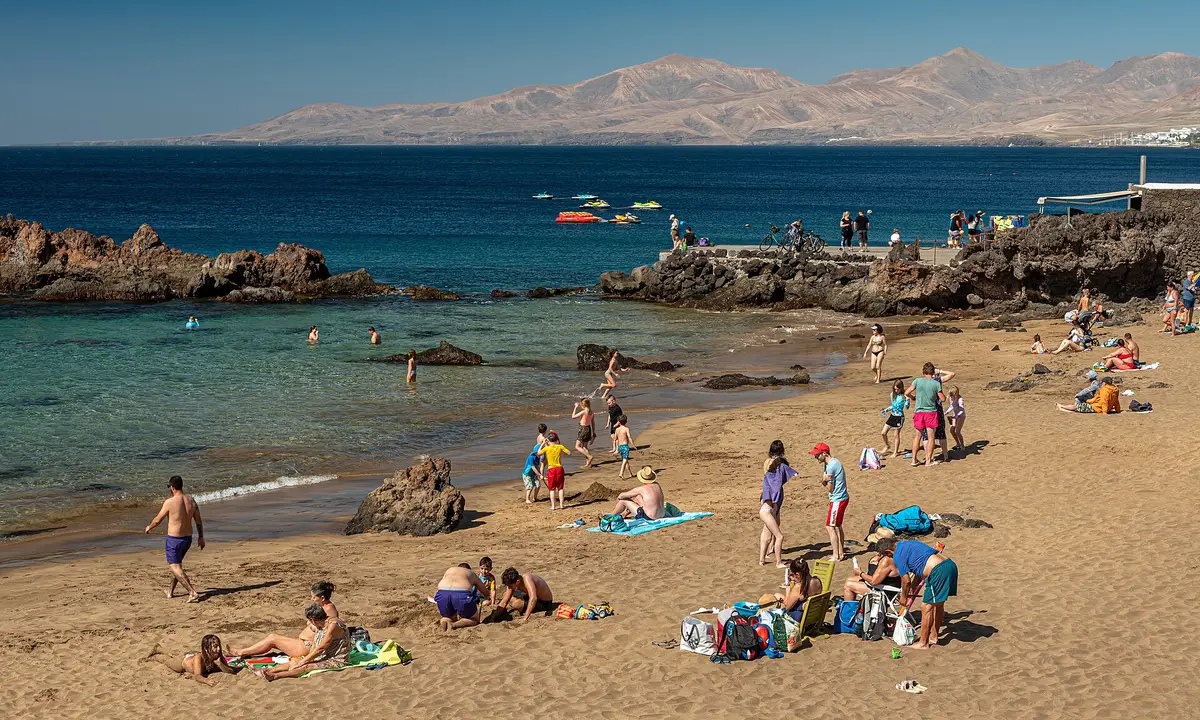
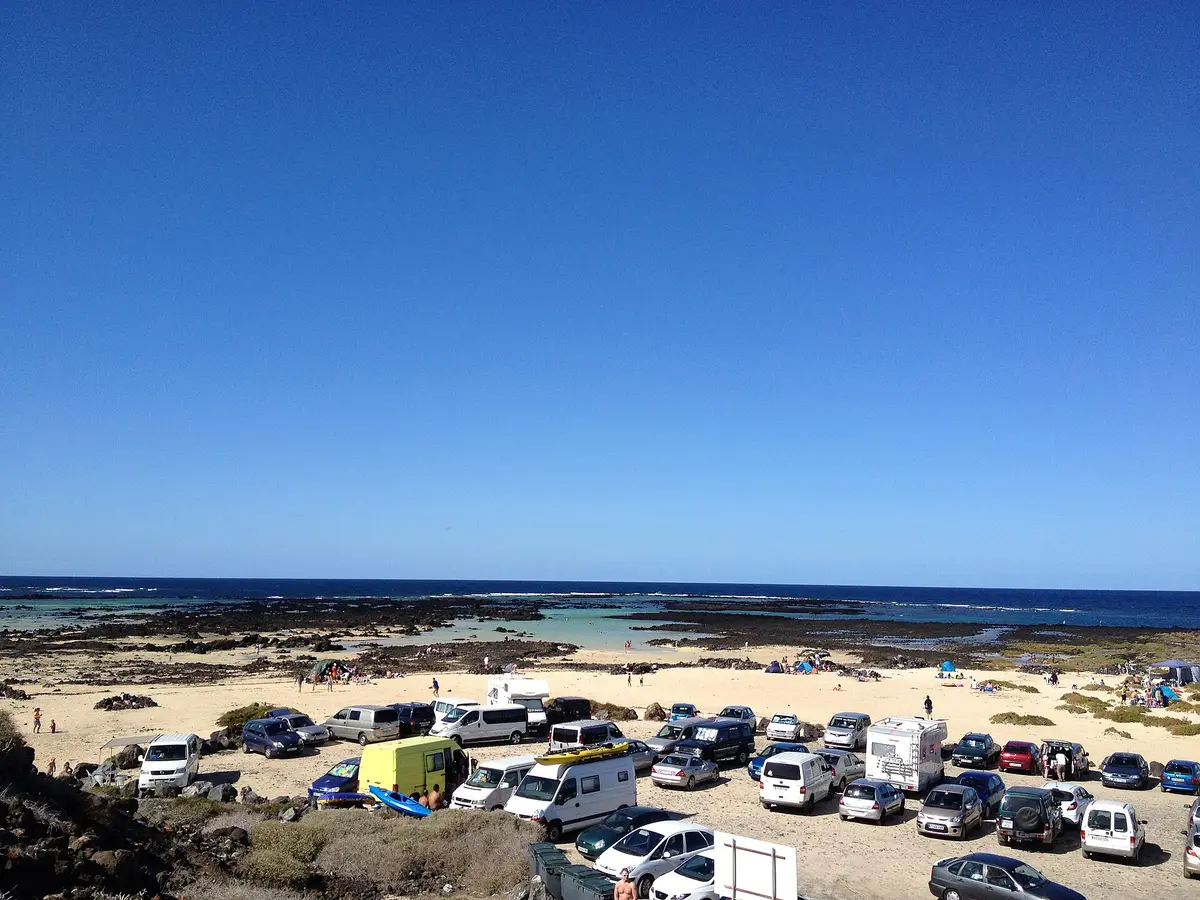
Lanzarote's beaches make more sense when you consider the coast around them, rather than treating every stretch of sand as the same sort of outing. The southern choices sit around Playa Blanca and the municipality of Yaiza; elsewhere, tourist towns, northern villages and the cliffs behind Playa de Famara give a beach day quite different surroundings. Your starting point matters, but so does the balance you want between time on the beach and time exploring nearby. Use the cards below to compare individual beaches, with the island's layout and the kind of day you want in mind.
Sandy coves divided by high cliffs, reached by dirt road or a coastal walk from Playa Blanca
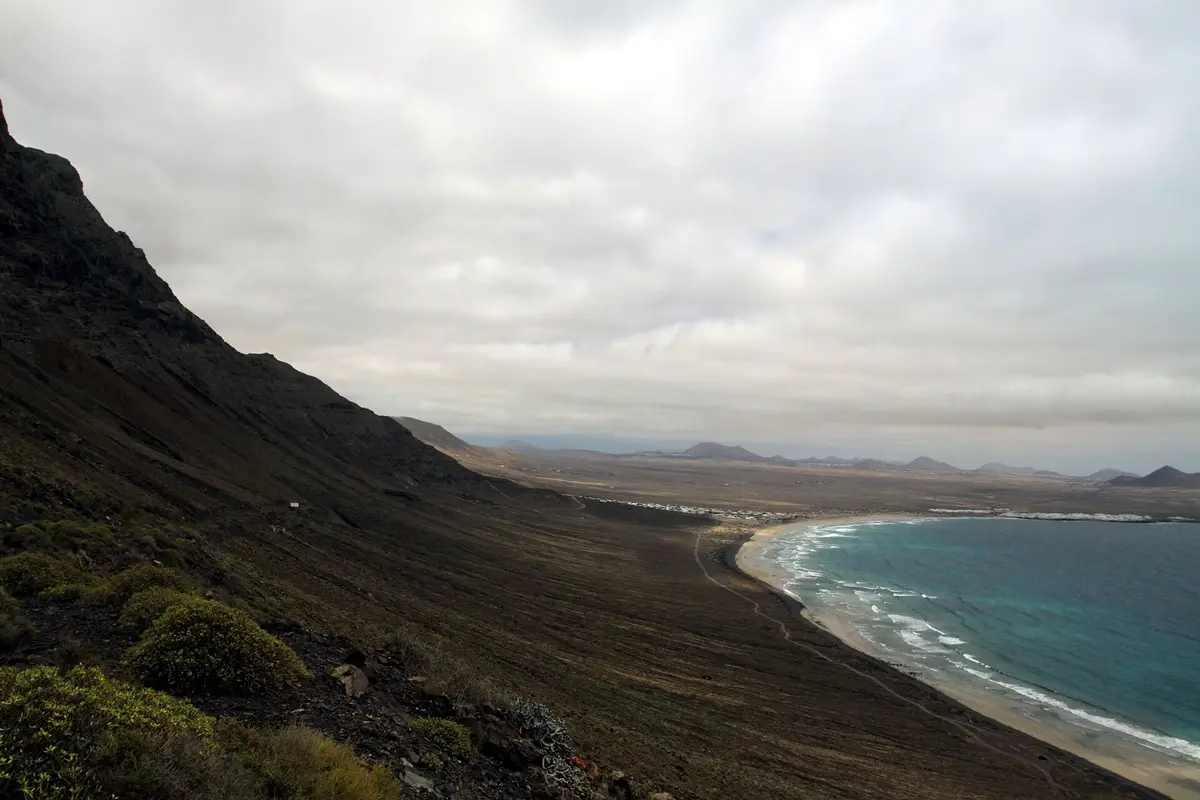
Sand, volcanic pebbles and surf beneath cliffs left by an ancient volcanic caldera
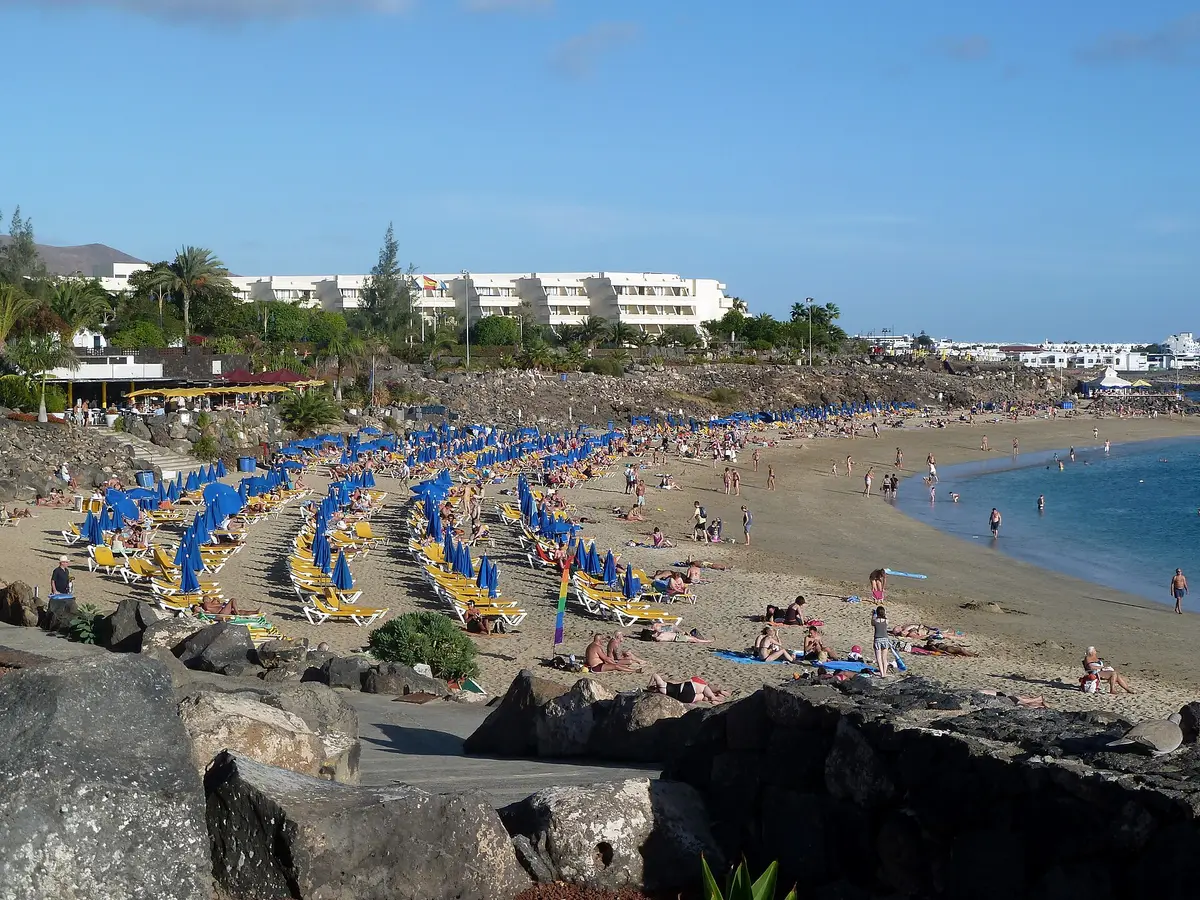
A sandy, breakwater-sheltered cove with lifeguards and water sports east of Playa Blanca’s centre
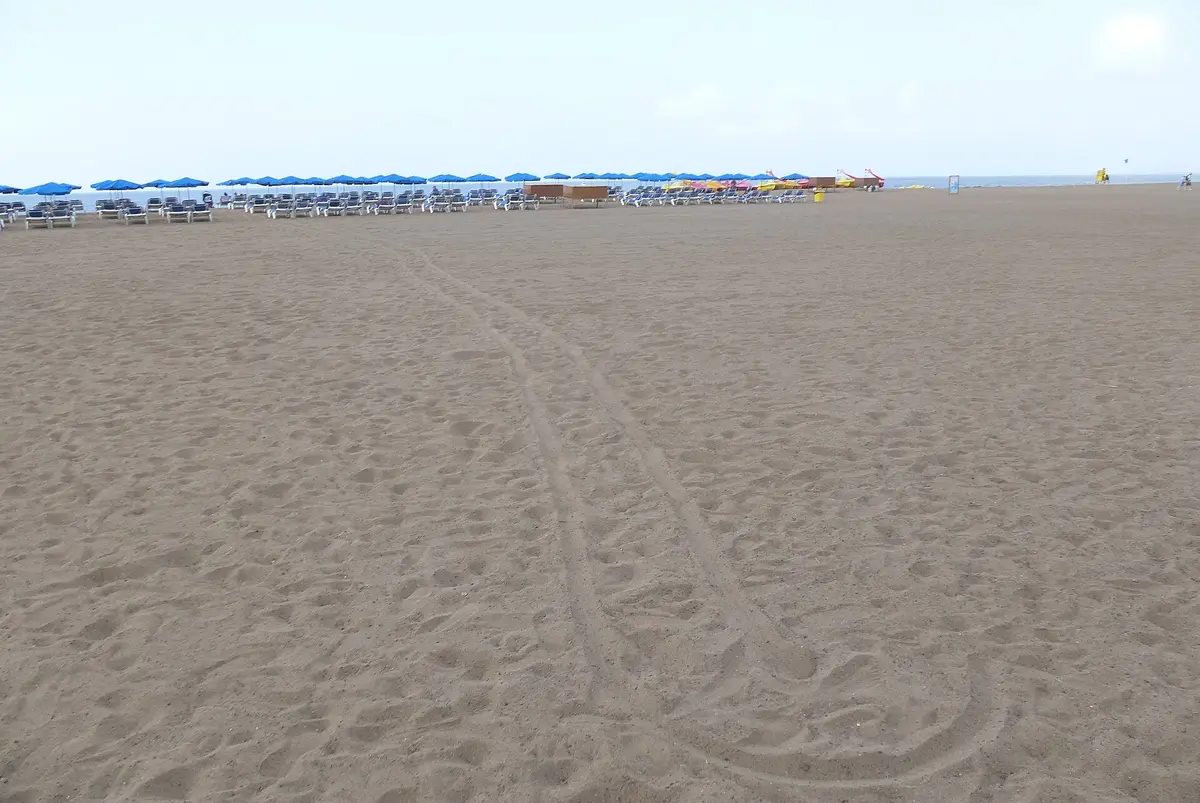
A beach day in Puerto del Carmen, with restaurants, shops and the resort seafront close at hand
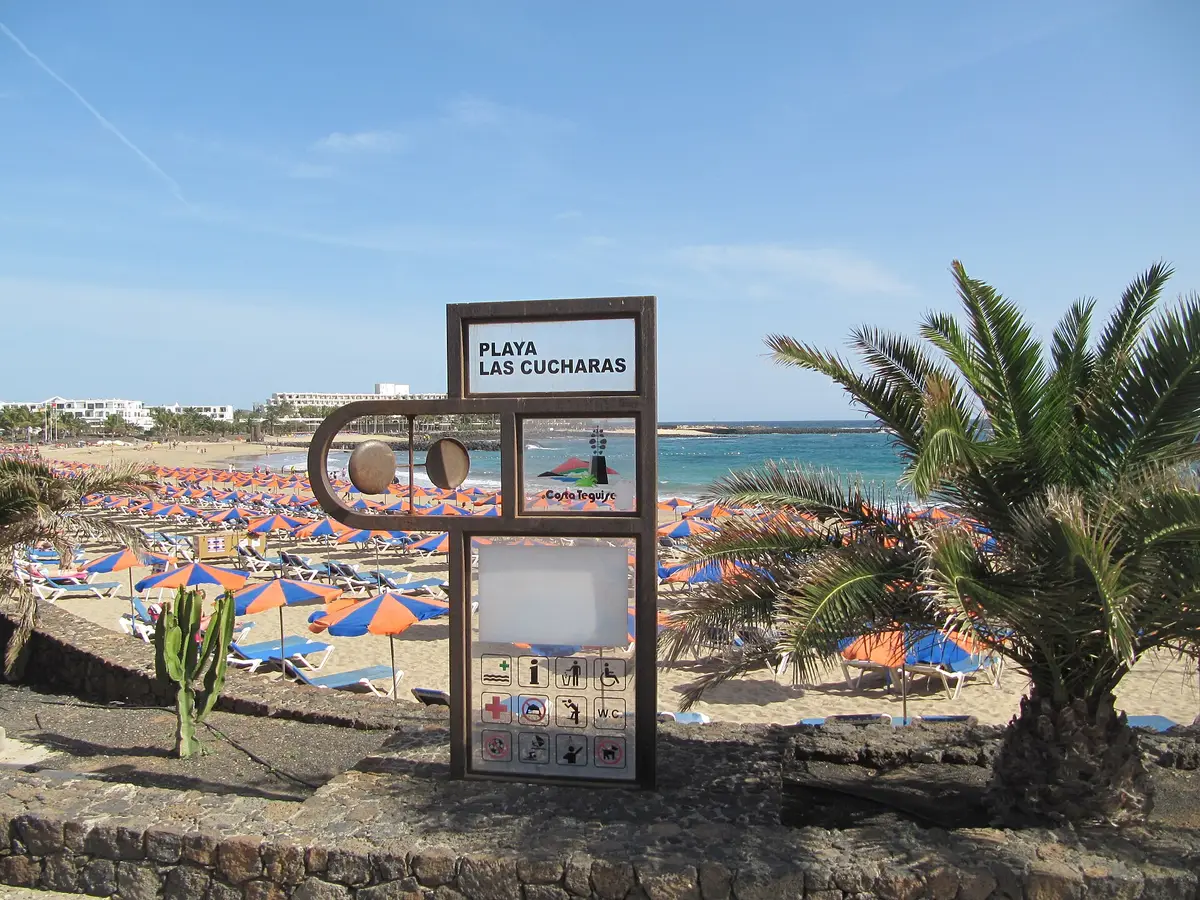
A beach in Costa Teguise, where the surrounding town was planned for tourism from the outset
An old-town beach in Puerto del Carmen with over 10 dive sites accessible from shore and boat
On the ground
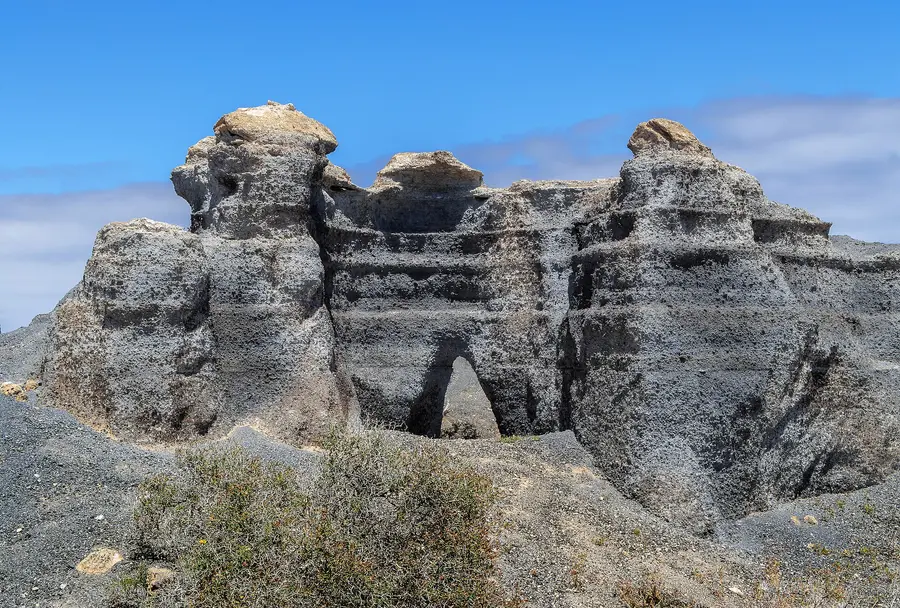
Start with the broad geography. Playas de Papagayo and Playa Dorada belong to the southern group around Playa Blanca, in Yaiza. Playa Grande is associated with Puerto del Carmen, in Tías, while Playa de las Cucharas sits in Costa Teguise. These choices put established tourist towns at the centre of your planning. The northern part of the island changes the context: Caletón Blanco belongs to the Haría area, with Órzola providing a nearby village reference, while Playa de Famara has the island's northern mountain and cliff landscape behind it. That spread is useful when choosing a base: beaches listed together here are not necessarily neighbours, and a favourite name need not be the most convenient choice for your stay.
Worth knowing
If your holiday is centred on a resort, the surrounding town can matter as much as the beach itself. Puerto del Carmen is Lanzarote's main tourist town, Costa Teguise was purpose-built for tourism, and Playa Blanca is the island's southernmost town. Comparing their beaches is therefore also a choice about where you want to spend the rest of the day. A northern outing has a different emphasis: Órzola is a village with the departure quay for La Graciosa, while the landscape around Playa de Famara is defined by mountains and cliffs. Choose between a day organised around a tourist town and a trip where the wider coastal setting is part of the reason to go. Neither approach requires chasing a single 'best' beach.
Playa Blanca, Puerto del Carmen and Costa Teguise are useful starting points for a beach-focused stay. Each gives you a tourist-town base associated with beaches in this section. For a holiday focused on the northern coast instead, compare the Haría area and Caleta de Famara, checking the location of your accommodation against the beaches you want to reach.
Swimming suitability depends on the particular beach and the conditions on the day. A beach's setting or proximity to a resort does not establish that the water is safe. Check local warnings and any flags before entering, and assess swimming separately from other reasons to visit, such as spending time on the sand or enjoying the coastal landscape.
Choose by location and the kind of day you want before comparing individual beaches. A beach near your resort may suit a day without much travel, while the northern coast may appeal when exploring is part of the plan. Then check practical details for the specific beach, including access, facilities and current swimming conditions, rather than assuming they are alike.
Month pages bring together daytime highs, night temperatures, sea temperatures, sunshine and rain, so you can weigh beach days against the conditions you prefer for exploring.